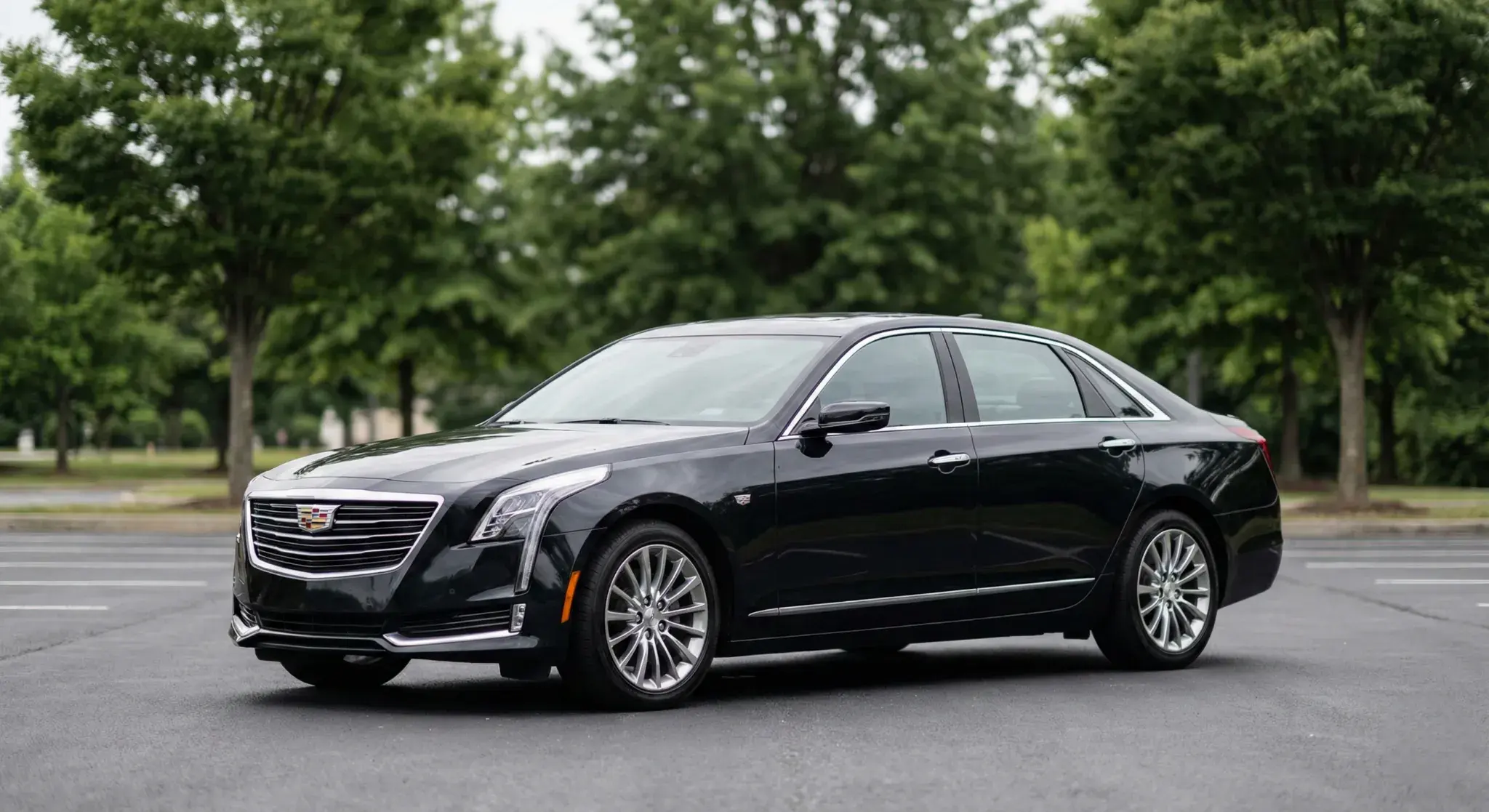
Executive Sedan
3 passengers · 3 bags

SEDANS · SPRINTER VANS · MINI BUSES · COACHES
Shoreline or inland — chosen for the hour and the vehicle, not by habit. Door to door for 1 to 55 passengers.
Chauffeured door-to-door travel between Manhattan and Boston — Back Bay, the Seaport, Cambridge, Logan and the Route 128 corridor — in executive sedans, Escalade ESVs, conference-table Sprinters, mini buses and 55-seat motor coaches.
4.7 ★ · 300+ Google reviews · 3,100+ clients
Trusted by teams & travelers across NYC










Manhattan to Boston is about 215 miles and takes four to five hours, door to door. Two roads carry it: I-95 along the Connecticut shoreline, and I-84 inland through Hartford and the Mass Pike.
The Acela is faster city centre to city centre, and we will say so. The car wins when your destination is not near a station, when there are more than three of you, when the luggage is awkward, or when the schedule has to be yours rather than a timetable's.
The shoreline route is shorter and more fragile: one incident between Bridgeport and New Haven has no useful detour. The inland route is a few miles longer and far more predictable, which is why it is the default for anything with a fixed arrival time.
A chauffeur is legally limited on driving hours, so a same-day return is planned with that in mind rather than improvised. For a long day we either build in the required break or use two chauffeurs.
Vehicles run from an executive sedan to a 55-seat coach, quoted on the two addresses with tolls and gratuity inside the figure. Dispatch is staffed 24/7, 365 days a year on (718) 360-9383.
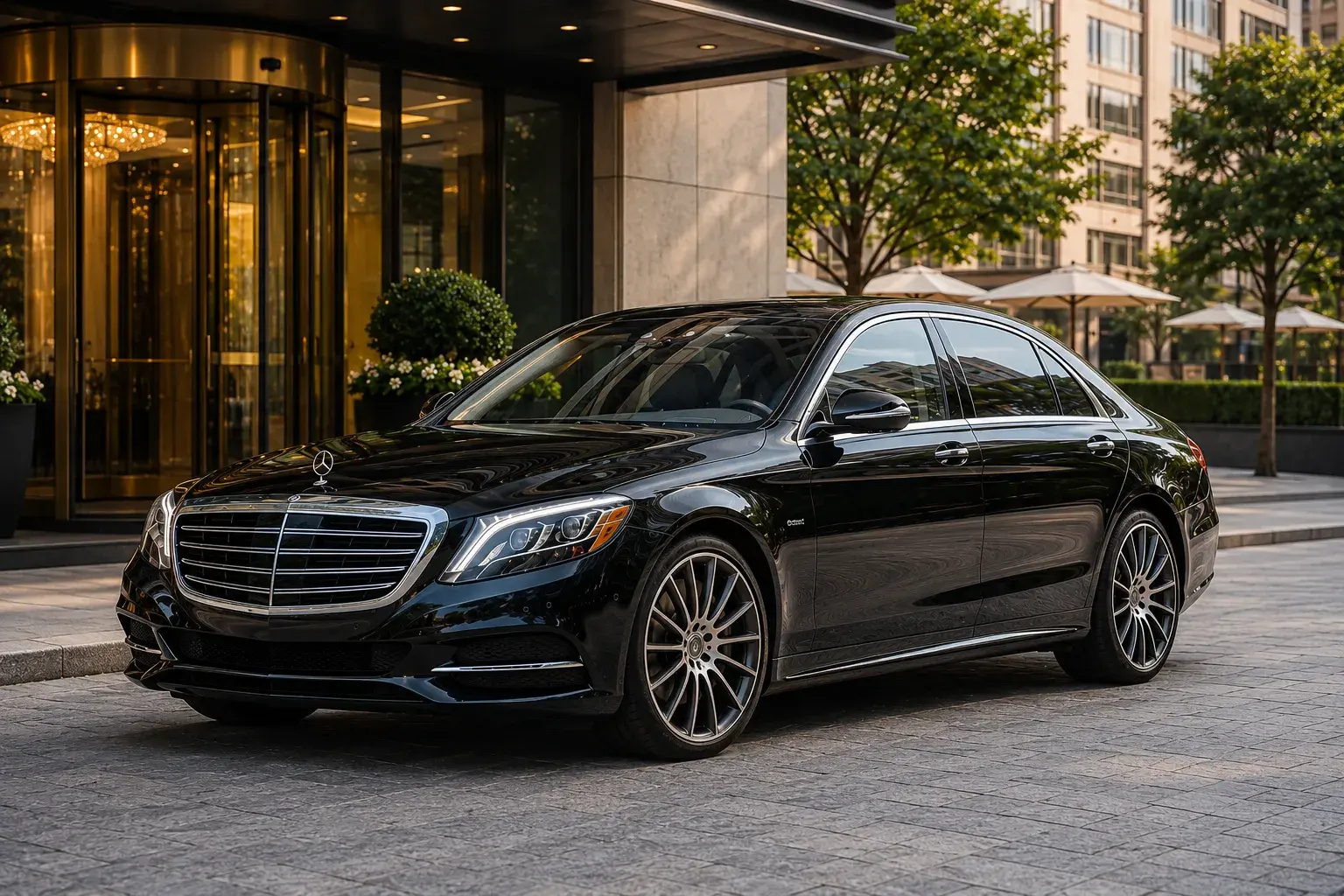
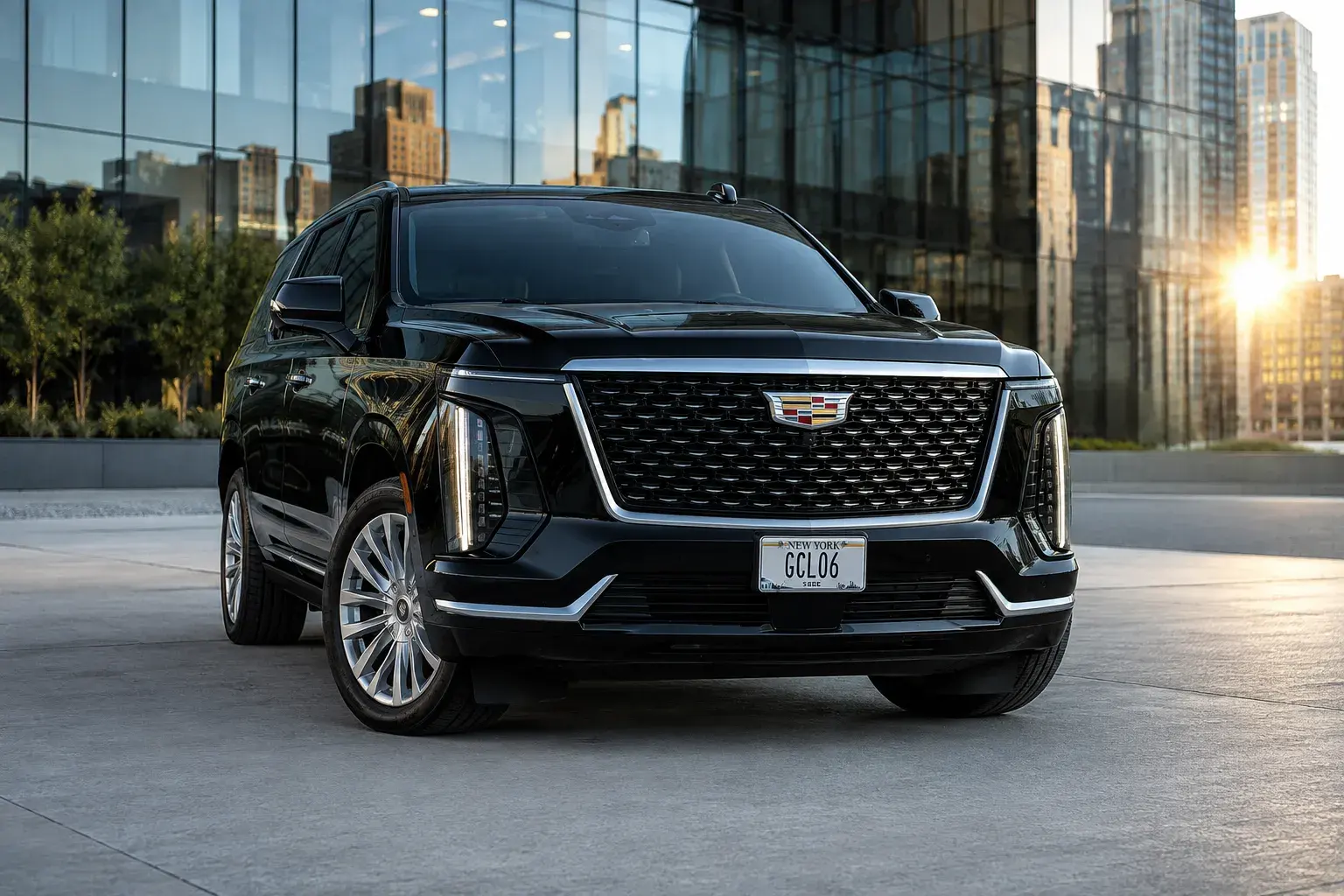
Sedans and SUVs for one to six, Sprinter vans for fourteen, mini buses and motor coaches to fifty-five. Switch tabs to see each class, or quote one straight from its card.
Showing 13 of 13 vehicles.
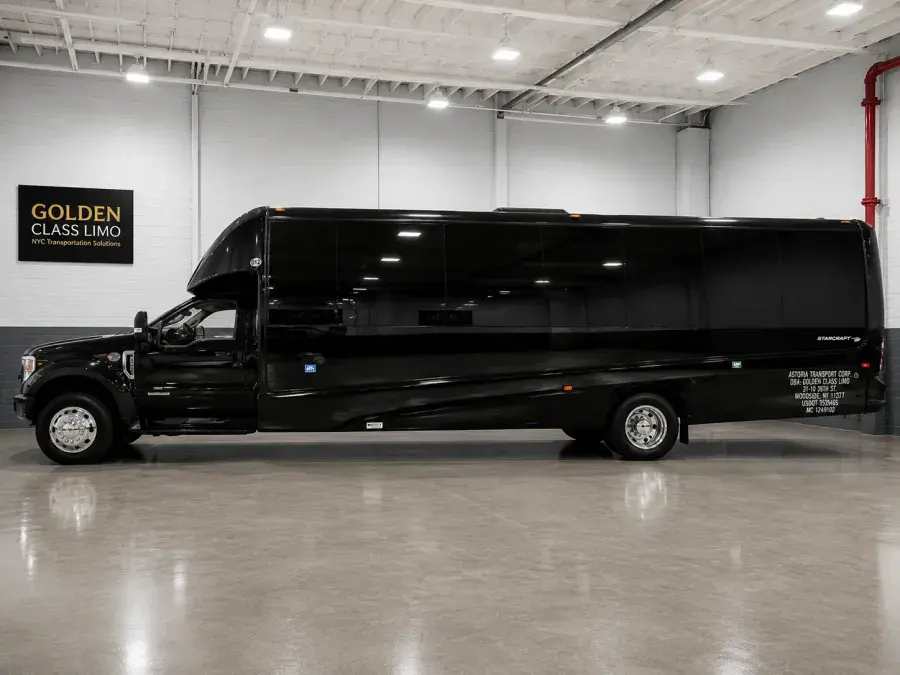
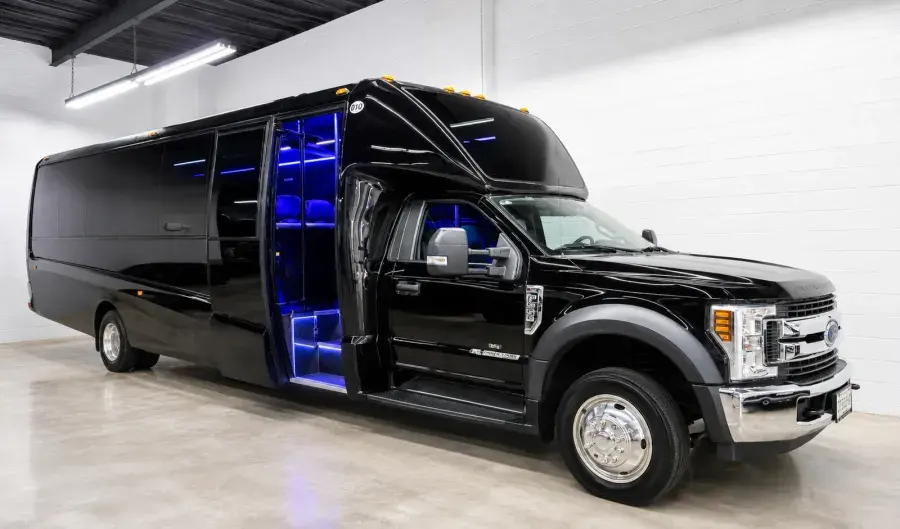
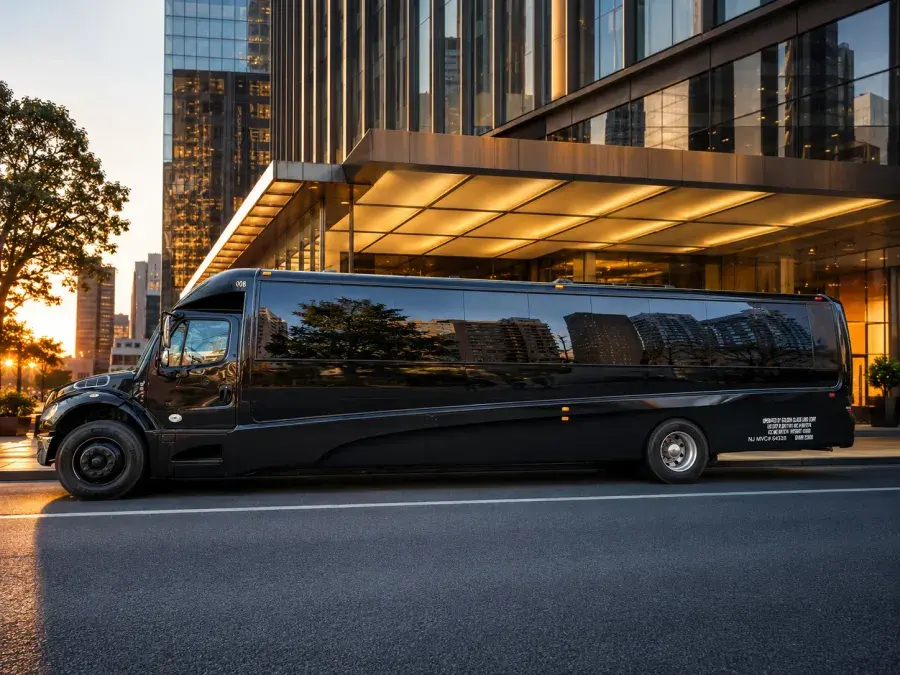
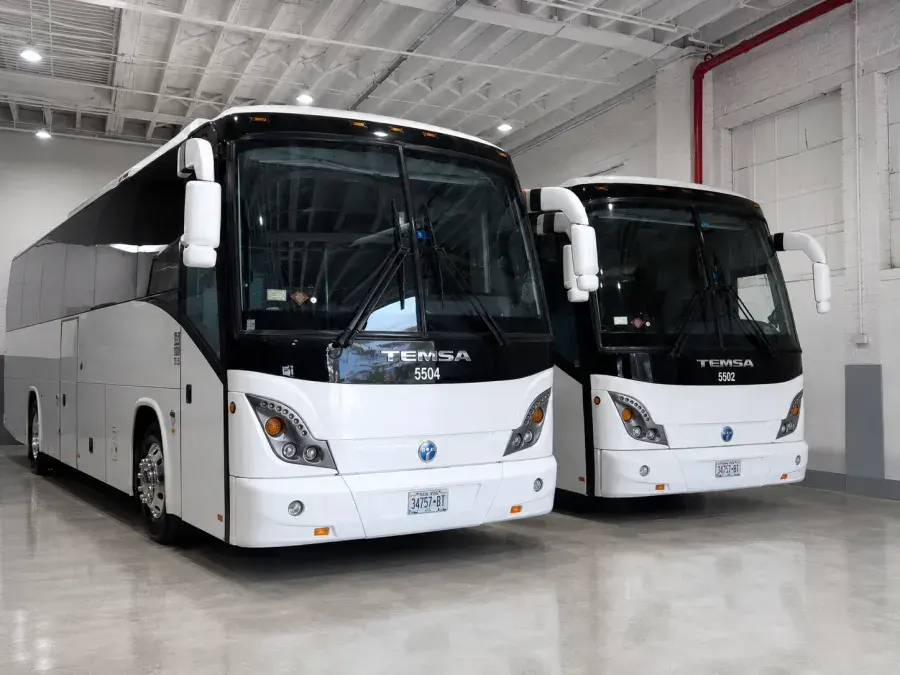
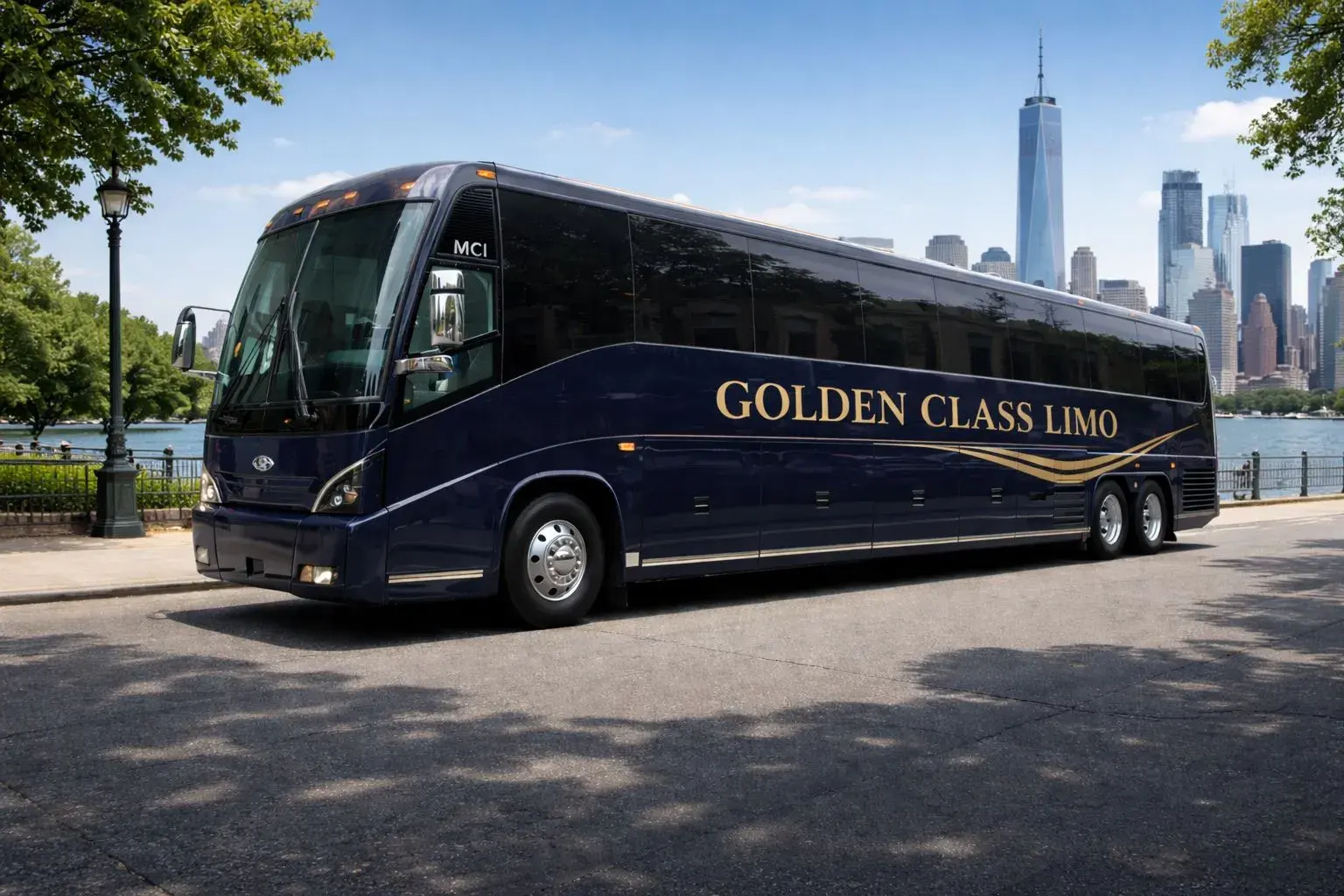
We sell one of these. The other three are real, and on the right day with the right luggage one of them is the better trip.
Best for. Groups of three or more, suburban destinations well away from South Station, heavy or awkward luggage, and any trip where the departure time has to bend to you.
The catch. It is slower than the train between the two city centres and it costs more than two rail tickets. For one person going from Midtown to downtown Boston, the train is the better answer and we would rather say that than sell against it.
Best for. One or two travellers going between the two downtowns who want the fastest realistic option and can work on board.
The catch. It only serves the stations. Getting to Penn or Moynihan with luggage and then out to a suburban address in Massachusetts adds two transfers at the ends, and a party of six pays six fares while a single vehicle charges once.
Best for. A solo traveller with a same-day return and nothing to check, flying between two airports that both happen to suit them.
The catch. The airborne time is the smallest part of the day: two airport transfers, security and a gate wait are the rest, and this is a short-haul corridor where weather delays are routine. A group on separate seats can also be split across flights when one is cancelled.
Best for. Budget travel for an individual with a flexible day and light luggage.
The catch. It runs terminal to terminal on its own timetable, with no control over the stops or the departure hour, and it has no answer for a group that needs to be at a venue at a stated time. Luggage is a hold you queue for at both ends.
Give us the arrival time and the pickup and the route are planned backwards from it.
6 corridors, each right for somewhere different. Your chauffeur has your address before the day and chooses with live conditions rather than at the time you booked.
ServesThe coastal route through New Haven, New London and Providence
Untolled across Connecticut, with tolls at the Rhode Island bridges
The shorter of the two and the more temperamental. Between Bridgeport and New Haven it is three lanes carrying more than three lanes of traffic, and there is no parallel motorway to escape to — which is the argument for the inland route on anything that has to arrive on time.
ServesThe predictable line to the Massachusetts Turnpike
Untolled to the Turnpike
A few miles longer and usually the faster of the two in practice, because it avoids the shoreline bottleneck entirely. It is the default for group bookings and for anything with a fixed arrival time.
ServesThe final approach from the west
Tolled electronically, inside the quote
Straightforward until the last few miles, where the Allston and Fenway exits load in the afternoon. On an event day we take the exit that suits the address rather than the one the map suggests.
ServesSedans and SUVs leaving the city in the afternoon peak
Untolled
Quicker out of Manhattan than I-95 on a bad afternoon, and closed to buses and coaches by height restriction. It is the clearest example of why the same trip is two different drives depending on the vehicle.
ServesThe first thirty miles for every large vehicle
Tolled at the crossing, inside the quote
The only way a coach leaves the city northbound, and the reason a group departure is usually set before three or after seven. The first hour of this trip is often slower than the next two combined.
ServesSwitching from the shoreline to the inland road mid-journey
Untolled
The connector at New Haven that lets a chauffeur change plan once, rather than committing at the Bronx. Knowing the switch exists is what makes an incident on the shoreline an inconvenience instead of an hour.
Typical door-to-door ranges under ordinary conditions. Weather, incidents and holiday weekends all sit outside this table.
4am – 7am
The cleanest departure of the day. Out of the city before the commute and into Boston ahead of its own morning, which is why breakfast-meeting bookings leave at this hour.
7am – 10am
The Cross Bronx and the Connecticut commute both bite, and the first hour can cost forty-five minutes on its own.
10am – 3pm
The most reliable window. Both routes are open and the arrival lands before Boston's afternoon closes in.
3pm – 7pm
The worst of both ends: leaving New York in its peak and arriving into Boston's. A Friday in this band is the slowest trip on this page.
7pm – 11pm
Clear roads and a late arrival. Good for a next-morning commitment, and the hour a coach can leave the city without fighting the Bronx.
11pm – 4am
Fastest on the road and the band where chauffeur hours matter most, so an overnight run is planned with the return leg in mind from the start.
That is the slowest version of this trip, and the one where the departure hour is worth more than the route.
The address decides the crossing, and the crossing decides the time. These are typical figures outside a peak window.
| Destination | Distance | Typical drive | Usual crossing |
|---|---|---|---|
| Back Bay and Copley Square | about 215 miles | 4h 00m–5h 00m | Massachusetts Turnpike east into the city |
| The Financial District and Seaport | about 217 miles | 4h 10m–5h 10m | Massachusetts Turnpike east into the city |
| Cambridge and Kendall Square | about 213 miles | 4h 00m–5h 00m | Interstate 84 inland through Hartford |
| Logan Airport and the East Boston hotels | about 220 miles | 4h 15m–5h 15m | Interstate 95 along the Connecticut shoreline |
| Newton, Wellesley and the Route 128 offices | about 205 miles | 3h 50m–4h 45m | Interstate 84 inland through Hartford |
| Providence and the Rhode Island stops | about 180 miles | 3h 15m–4h 00m | Interstate 95 along the Connecticut shoreline |
| Worcester and the central Massachusetts towns | about 175 miles | 3h 15m–3h 50m | Interstate 84 inland through Hartford |
| Hartford and the insurance district | about 115 miles | 2h 10m–2h 45m | Interstate 91 as the link between the two routes |
A conference table for a team, a hold for a wedding party's luggage, or a quiet sedan for one. The widget above quotes your two addresses with tolls and the gratuity inside.
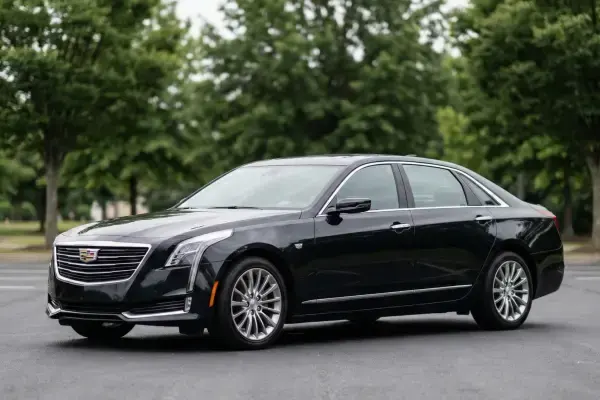
An executive who wants the four hours as working time
Quoted on your addresses and hours
Get an instant quoteSpecs and photos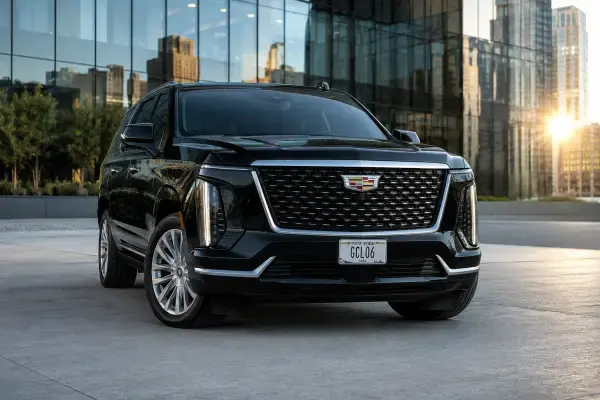
A small team travelling together with cases and equipment
Quoted on your addresses and hours
Get an instant quoteSpecs and photos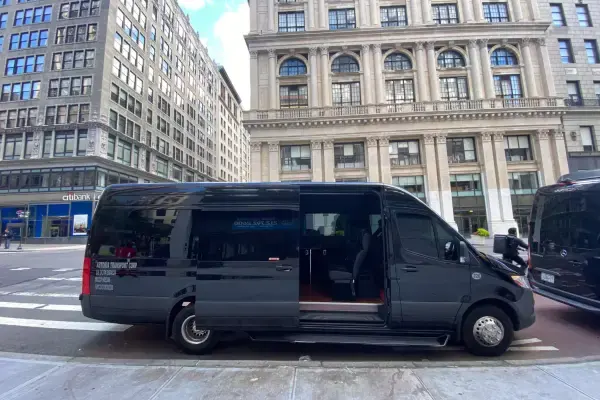
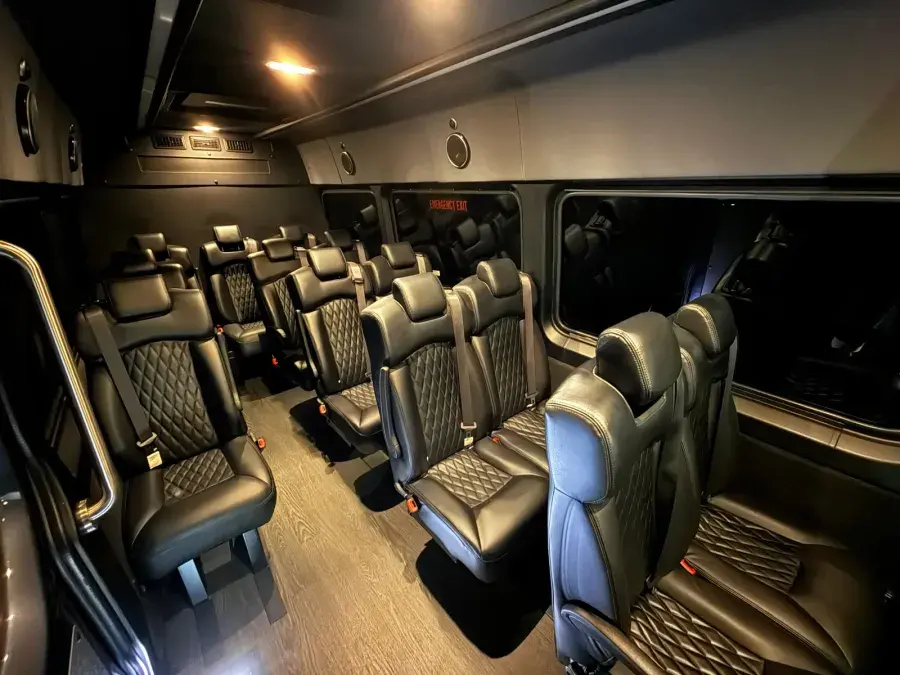
A department door to door, or a team around the conference table
Quoted on your addresses and hours
Get an instant quoteSpecs and photosA team that wants the four hours to be a working meeting
Quoted on your addresses and hours
Get an instant quoteSpecs and photos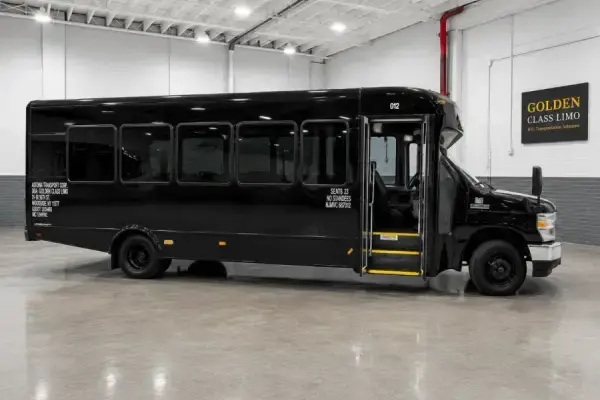
Wedding parties, alumni groups and squads travelling as one
Quoted on your addresses and hours
Get an instant quoteSpecs and photos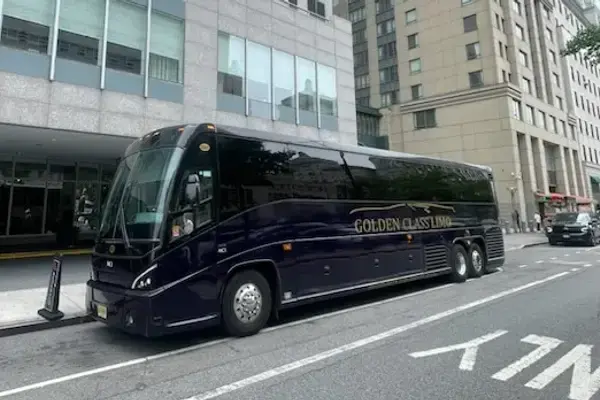
Large groups with hold luggage on a fixed itinerary
Quoted on your addresses and hours
Get an instant quoteSpecs and photosFares shown are for the Boston zone and are the same figures the booking form returns. A pickup or drop-off outside it prices differently, which is what the form is for.
One mini bus or coach, everybody arriving at the same moment, quoted once rather than per seat.
Four hours is a working day rather than a transfer, and most of what makes it go well is agreed before anyone gets in.
Tell us the time you have to be somewhere and the pickup is set from it, with the route chosen for that hour. On this corridor that decision is worth more than any other part of the booking.
Shoreline or inland is a choice we make with you rather than at the Bronx, because a coach has fewer options than a sedan and a fixed arrival time deserves the more predictable road.
A four-hour drive usually wants one break. Where it happens is set in advance so it fits the schedule instead of arriving as a surprise on the Turnpike.
Driving hours are regulated, so a same-day return is either built around the required rest or staffed with a second chauffeur. We tell you which at the quote rather than on the day.
The return is the leg that gets underestimated, because the delays sit at the New York end rather than the Boston one.
Massachusetts and Connecticut usually run well; the Cross Bronx and the crossings into Manhattan are where a return loses time. We add that hour to the estimate rather than discovering it at Pelham.
The whole corridor returns to New York at once on a Sunday afternoon. A departure before two or after eight is a genuinely different journey from one at five.
Crossing choice depends on the street: a West Side drop and an East Side drop leave the Bronx by different roads, and the wrong one costs twenty minutes at the end of a long day.
Booking both directions at once means the return is scheduled while you are away and the same desk holds both legs, which matters most when a meeting overruns and the pickup has to move.
Booking both directions at once is one reservation on one account, on (718) 360-9383 or through the form above.
We watch your inbound flight and move the pickup with it, so a delay costs you nothing.
Room to clear immigration and collect bags without the clock working against you.
Your chauffeur waits in the arrivals hall with a name sign and helps with luggage.
Quoted as a flat, all-in rate. No surge, no line items added at drop-off.
Professional, uniformed and employed by us — never a broker's contractor.
A fully insured, inspected black fleet, maintained to a premium standard.
This page is about the road to Boston. Those cover the Connecticut leg, how an account is run, and what each vehicle holds.

Executive partner
A partnership we hold directly with the organization — the same standard of service we bring to every airport transfer.
Book online, or call and a dispatcher will put a chauffeur on it.
Anyone searching for manhattan to boston car service has usually already looked at the train. The Acela is faster between the two downtowns, and we are not going to pretend otherwise: for one traveller going Midtown to Financial District, rail is the sensible choice.
What the train cannot do is start at your door and finish at a business park off Route 128, or carry six people and their sample cases for one price, or leave at the hour your meeting actually ends. That is the trip this page is for, and it is a larger share of this corridor than the timetable suggests.
I-95 along the Connecticut coast is the shorter road and the fragile one. The stretch around Bridgeport and New Haven carries far more traffic than it was built for, and when it stops there is no parallel motorway — only local roads that a coach cannot use at all.
I-84 inland through Hartford to the Mass Pike is a few miles longer and usually faster in practice. We choose between them for the hour and the vehicle rather than by habit, and I-91 at New Haven lets a chauffeur change the plan once mid-journey instead of committing at the Bronx.
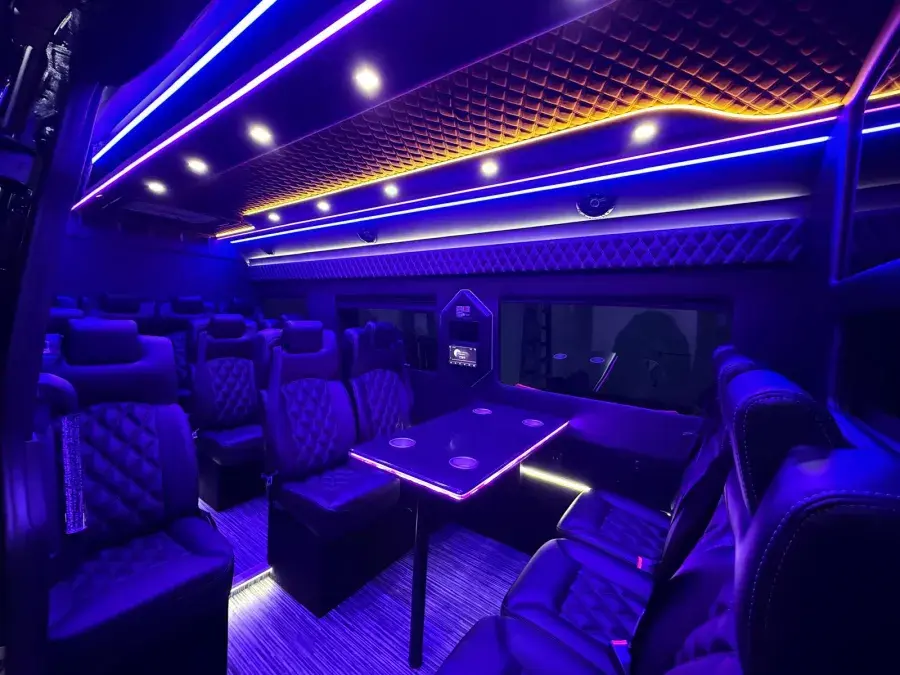
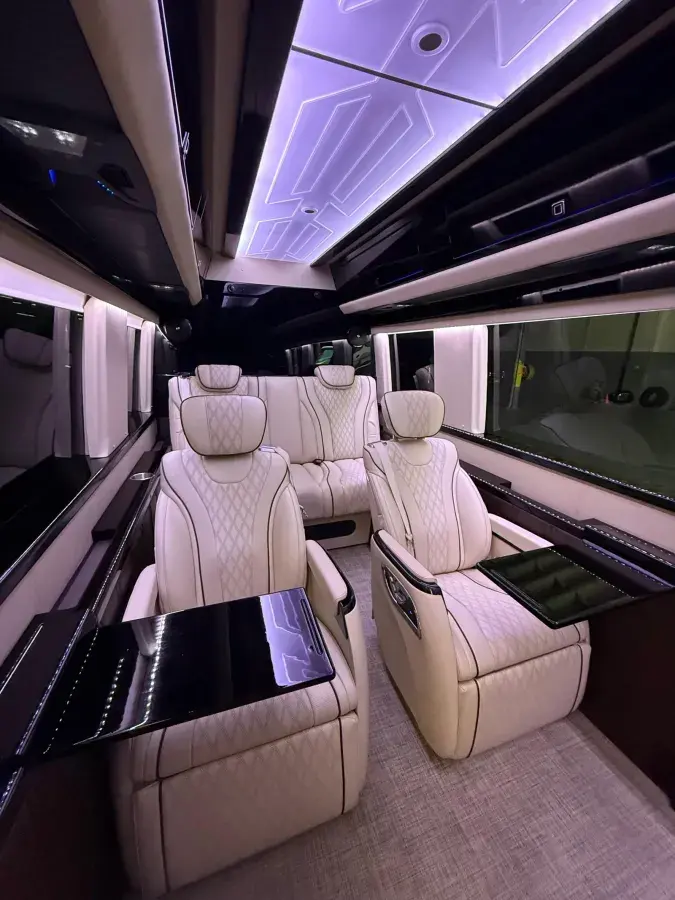
On a corporate booking the drive is working time. A conference-table Sprinter turns the journey into a meeting that finishes as you arrive, and a team that travels together arrives having agreed what they are going to say — which is not something six separate rail seats produce.
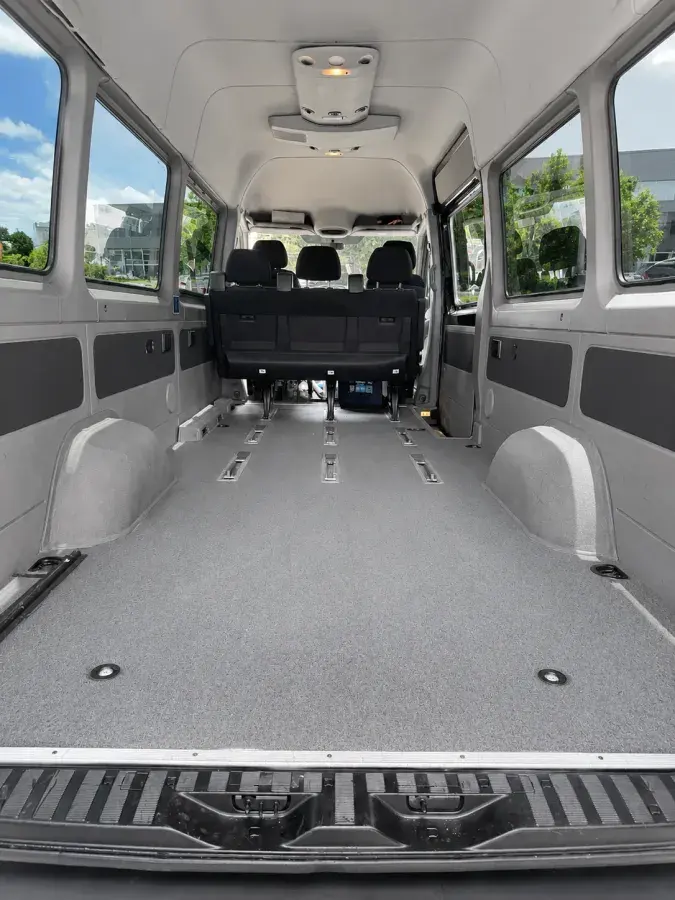
It is also why the vehicle choice matters more here than on a short transfer. Space to spread out, a power supply, and a boot that swallows the equipment are the difference between four useful hours and four lost ones.
The other half of this route is groups: wedding parties travelling up together, alumni and reunion trips, squads and touring parties with kit. For twenty people the arithmetic is not close — one mini bus or coach against twenty fares plus transfers at both ends, with everyone arriving at the same moment rather than across an afternoon.
Those bookings are planned differently. Large vehicles leave the city outside the peak because the Cross Bronx is their only way north, luggage goes in the hold rather than on laps, and the stop on the way is agreed in advance so a party of thirty is not queueing at a service area nobody chose.
Four to five hours for about 215 miles, and up to six on a Friday afternoon. An early-morning or evening departure is the quickest; leaving between three and seven means fighting the New York peak on the way out and the Boston one on arrival.
About 215 miles by the I-95 shoreline route and roughly 220 by I-84 inland through Hartford. The inland road is slightly longer and frequently faster, because it avoids the Connecticut shoreline bottleneck between Bridgeport and New Haven.
For one or two people travelling downtown to downtown, the Acela is faster and we will tell you so. A private vehicle is the better answer for three or more, for suburban addresses away from the stations, for heavy luggage, and whenever the departure time has to fit your day rather than a timetable.
Not for one traveller, and usually yes for a group. Rail charges by the seat while a vehicle is quoted once, so the arithmetic turns somewhere around three or four passengers — and that is before the taxi at each end, which the train fare never includes.
That is what most corporate bookings on this route are for. The 14-passenger luxury Sprinter has a conference table, and a sedan or SUV gives one or two people four uninterrupted hours with room to spread out, which is the honest argument for driving a corridor the train covers faster.
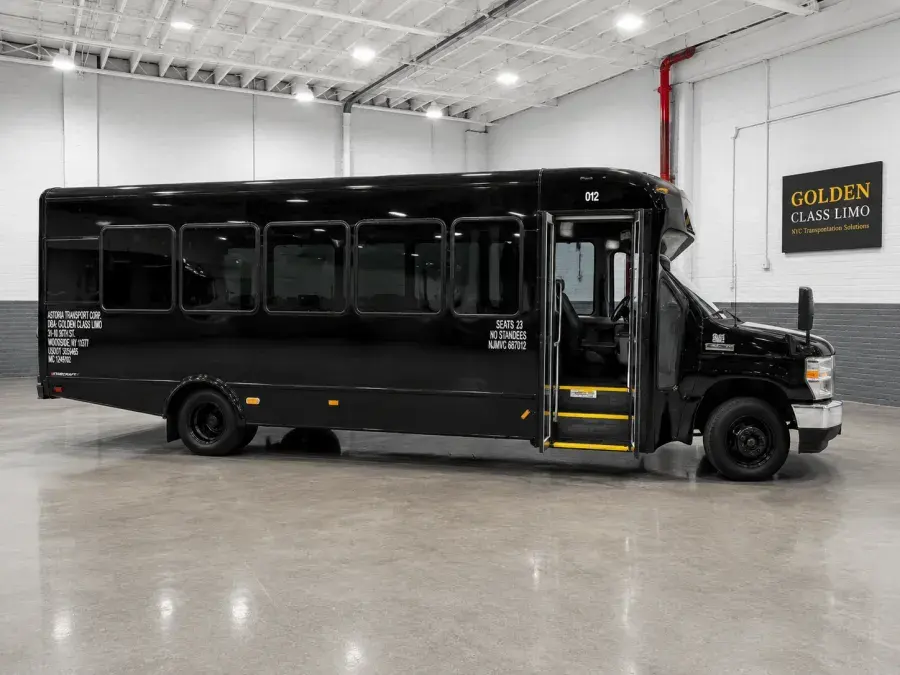
Yes — mini buses from 23 to 38 seats and 55-seat motor coaches run the corridor regularly for weddings, reunions and touring parties. Luggage goes in the hold and the whole party arrives together, which is the part a rail booking for twenty cannot promise.
I-95 along the shoreline when it is running, and I-84 inland through Hartford when the hour or the vehicle makes predictability worth a few extra miles. Coaches are more likely to take the inland road, because the parkway alternatives near New York are closed to them entirely.
Usually once, and it is agreed before departure rather than improvised. On a group booking that matters more than it sounds: thirty people need a service area chosen for the vehicle, and a planned stop costs fifteen minutes where an unplanned one costs forty.
Yes, with the day planned around it. Driving hours are regulated, so a long round trip either builds in the required rest or is staffed with a second chauffeur — and we say which at the quote rather than discovering it on the evening of the trip.
Yes. The crossings out of New York, the Rhode Island bridges on the shoreline route and the Massachusetts Turnpike are inside the figure along with the chauffeur's gratuity, so nothing is settled in the vehicle at either end.
4.7 stars across 300+ Google reviews — and 3,100+ riders served.
Available 24/7, 365 days a year
Get an instant quote online, or call and a dispatcher will have a chauffeur on the way.