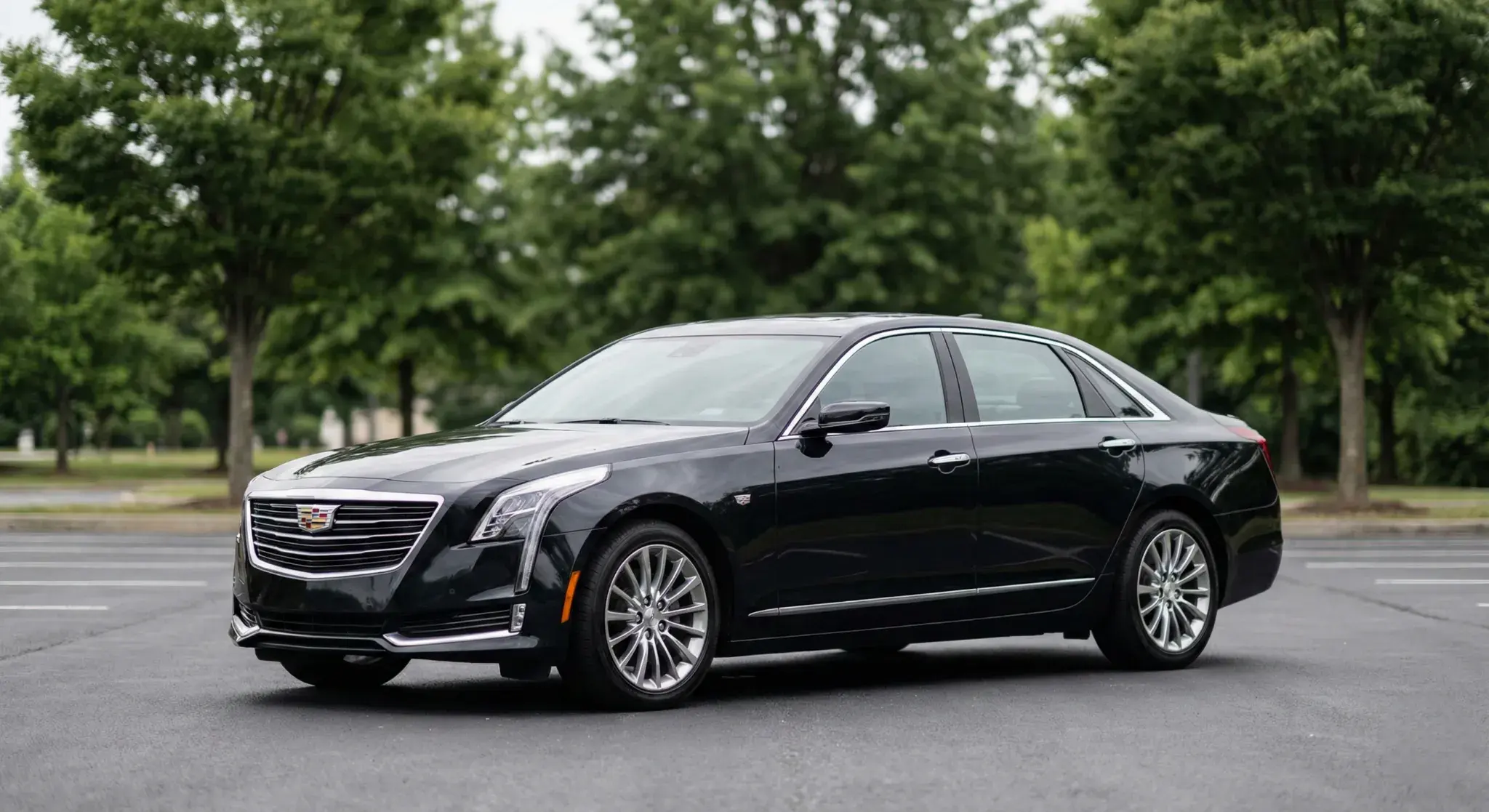
Executive Sedan
3 passengers · 3 bags

SEDANS · SPRINTER VANS · MINI BUSES · COACHES
Most of this corridor is a day, not a transfer. Held between meetings, for 1 to 55 passengers.
Chauffeured door-to-door travel between Manhattan and Washington DC — downtown, Capitol Hill, Georgetown and the Maryland and Virginia suburbs — in executive sedans, Escalade ESVs, Sprinter vans, mini buses and 55-seat motor coaches.
4.7 ★ · 300+ Google reviews · 3,100+ clients
Trusted by teams & travelers across NYC










Manhattan to Washington DC is about 230 miles on the I-95 corridor and takes four to six hours. The spread is wide because three separate places decide it: the Delaware crossing, the Baltimore tunnels and the Capital Beltway.
Rail is quicker between the two downtowns and we will say so plainly. A vehicle is the better answer when the day involves several addresses, when a delegation has to arrive together, or when the trip ends somewhere the train does not go — Bethesda, Tysons, Fort Meade, a Virginia office park.
Baltimore is the single biggest variable. The harbour tunnels are height- and cargo-restricted and can queue for half an hour at the wrong time, and a coach has a different permitted route through the city than a sedan does.
Most bookings on this corridor are not one-way transfers. Firms hire a vehicle for the day so it waits between meetings and returns the same evening, and that is quoted as hours rather than as two separate trips.
Sedans, Escalade ESVs, Sprinter vans, mini buses and 55-seat coaches, quoted on the addresses with tolls and gratuity inside. The desk takes bookings for this corridor at any hour, 24/7, 365 days a year, on (718) 360-9383.
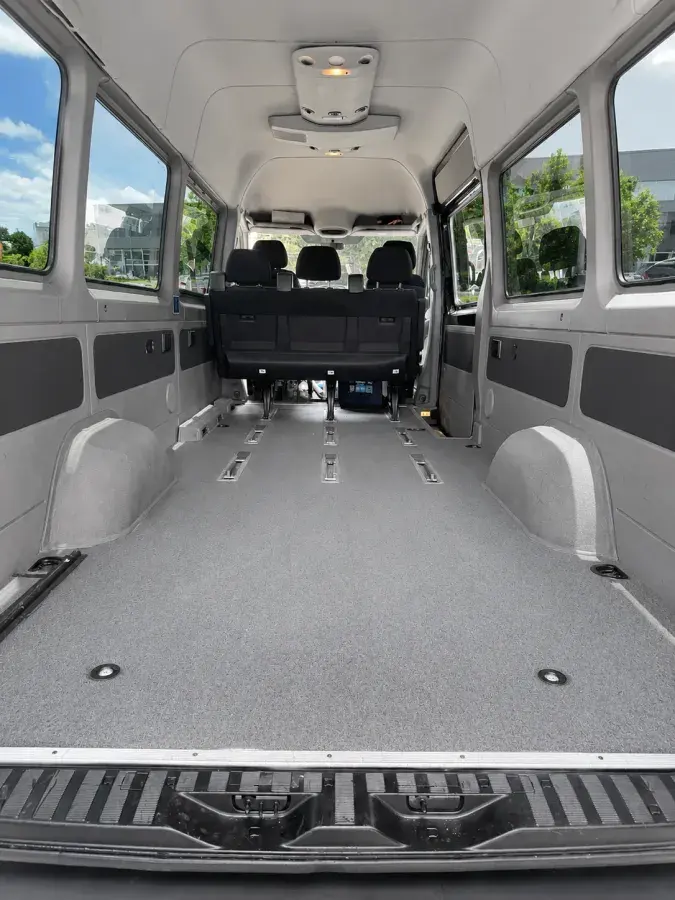
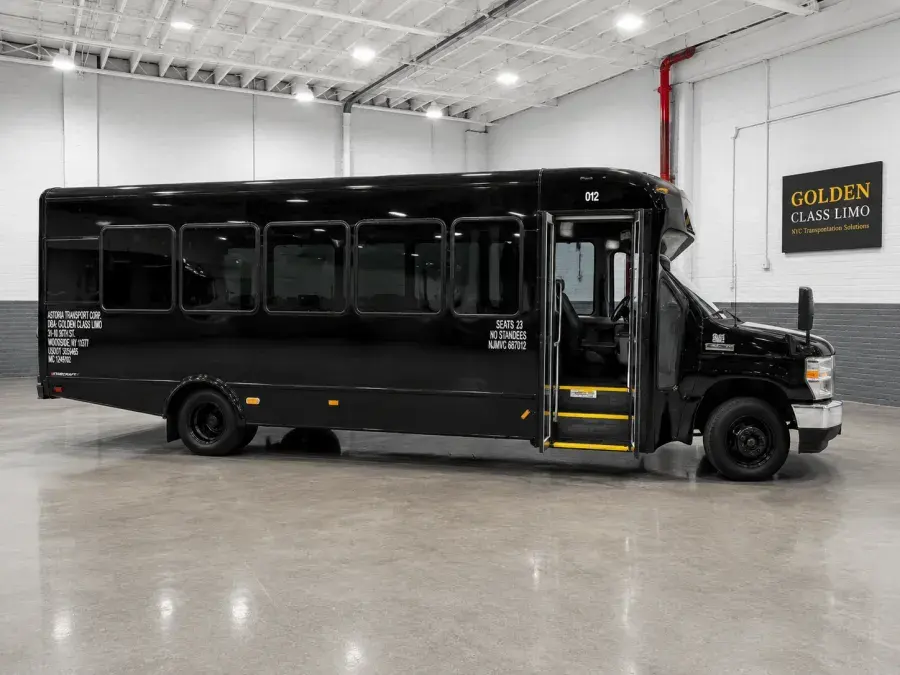
Sedans and SUVs for one to six, Sprinter vans for fourteen, mini buses and motor coaches to fifty-five. Switch tabs to see each class, or quote one straight from its card.
Showing 13 of 13 vehicles.
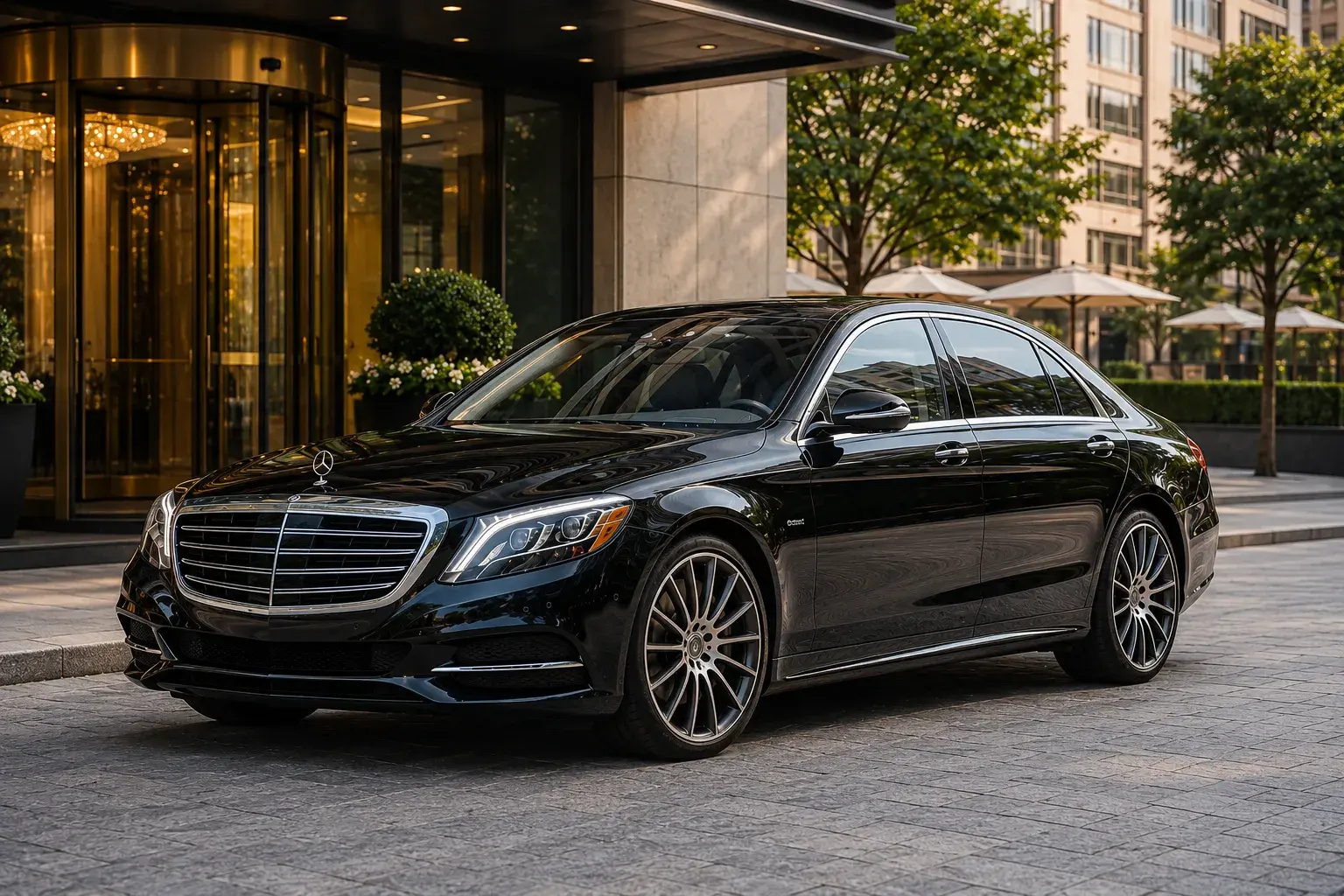
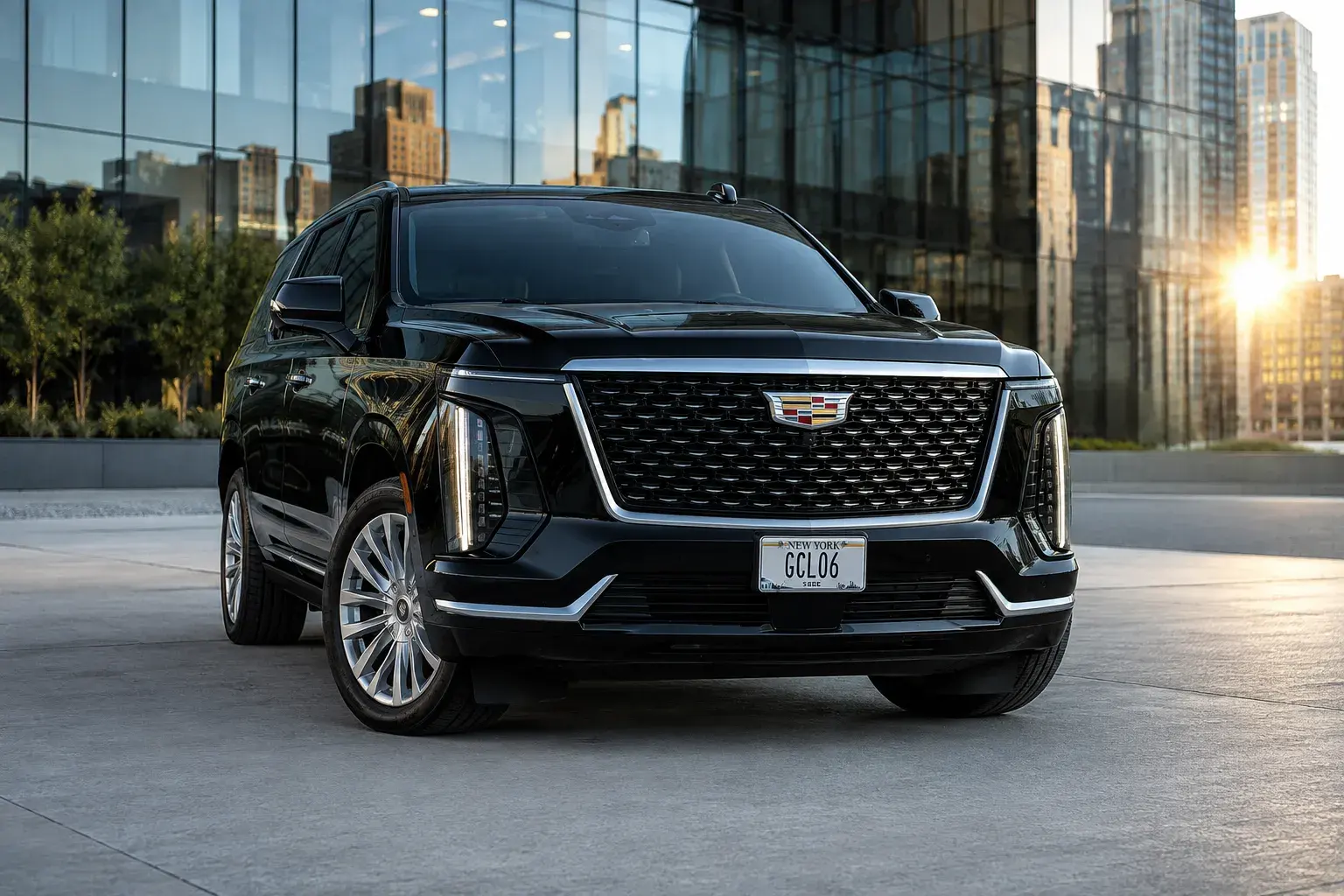
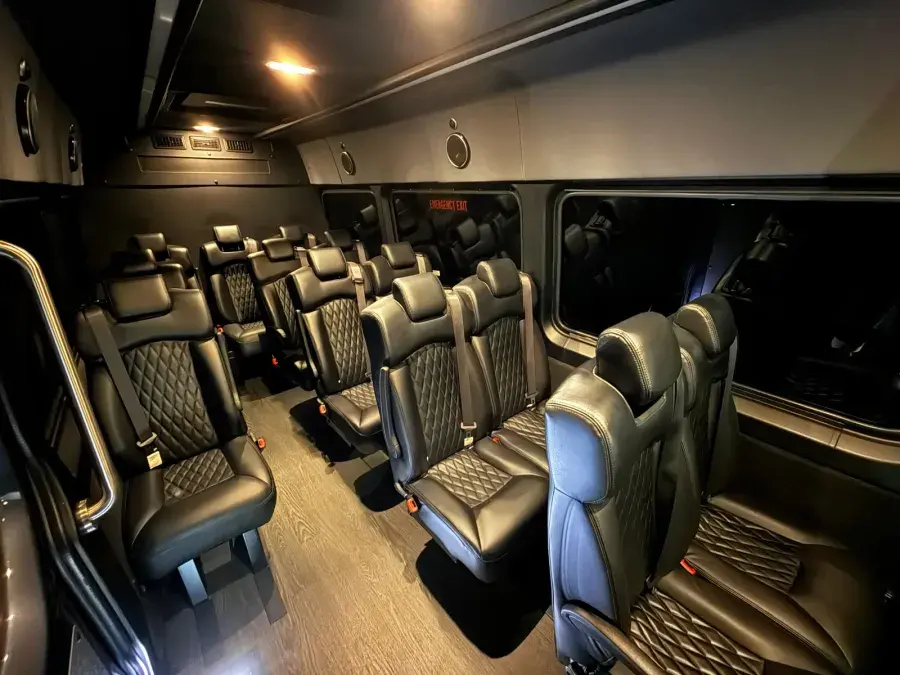
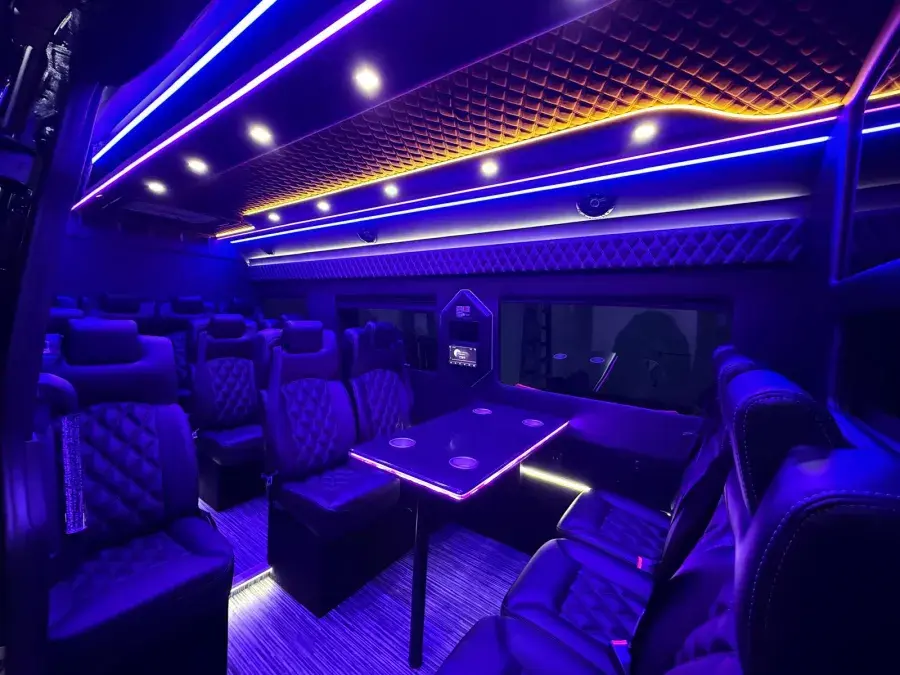
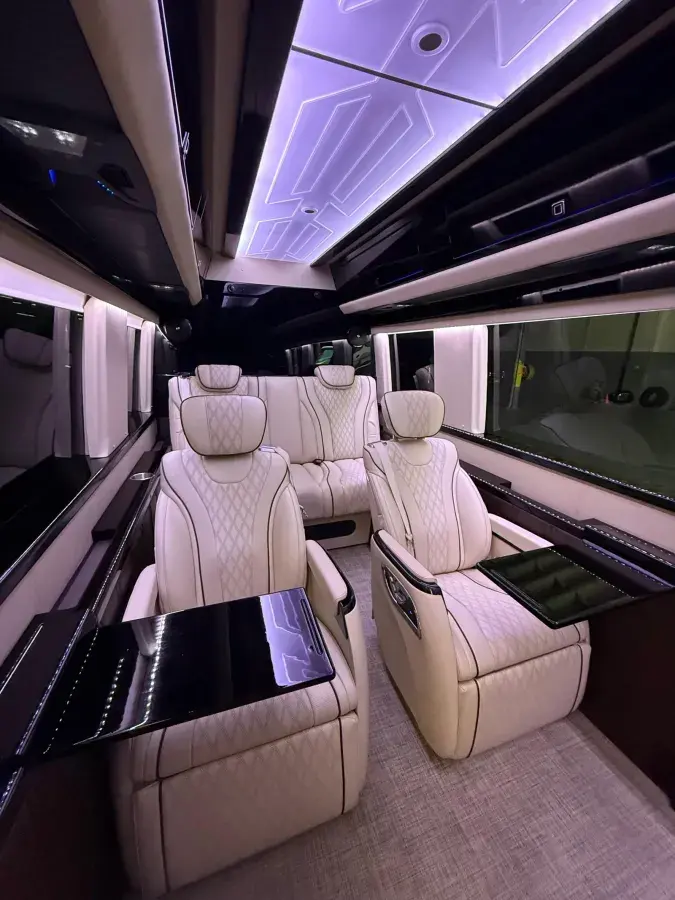
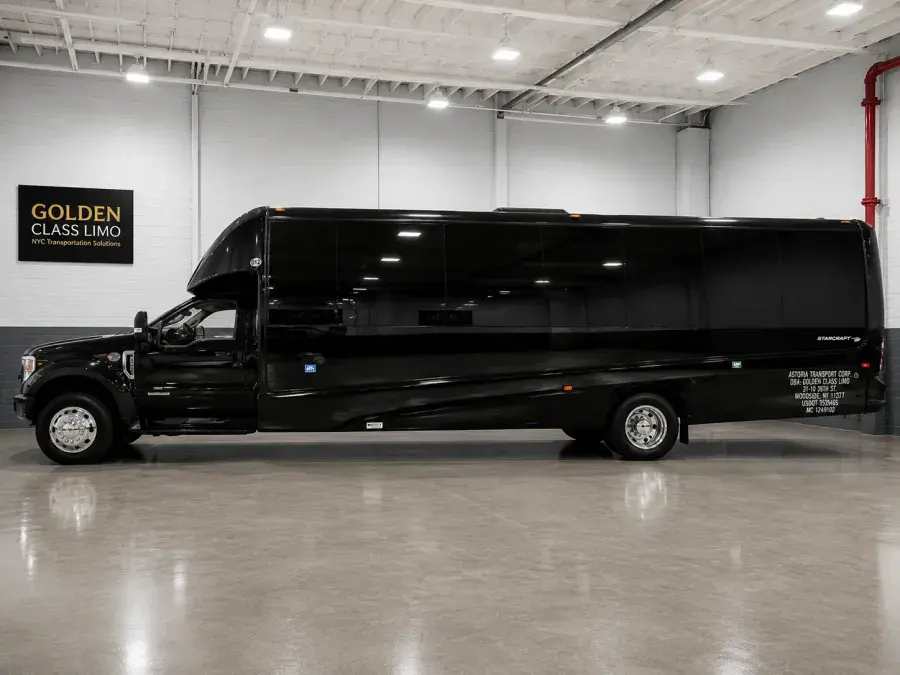
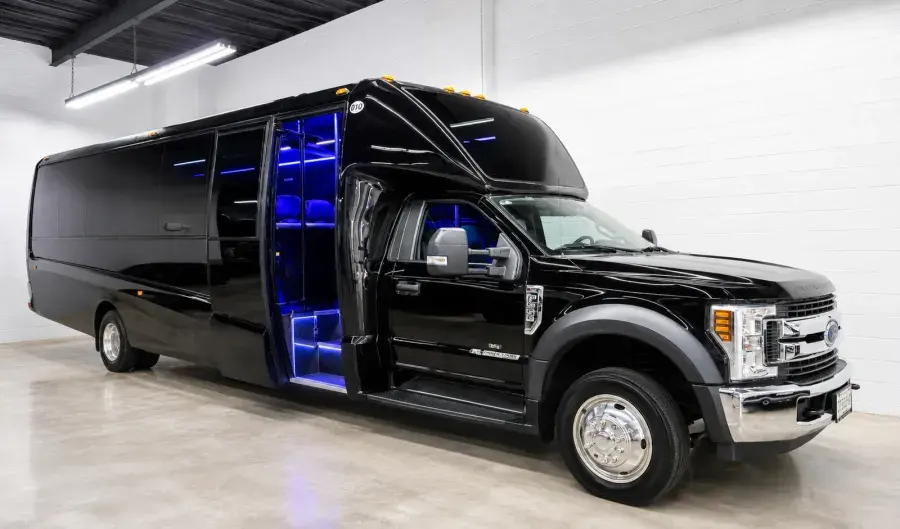
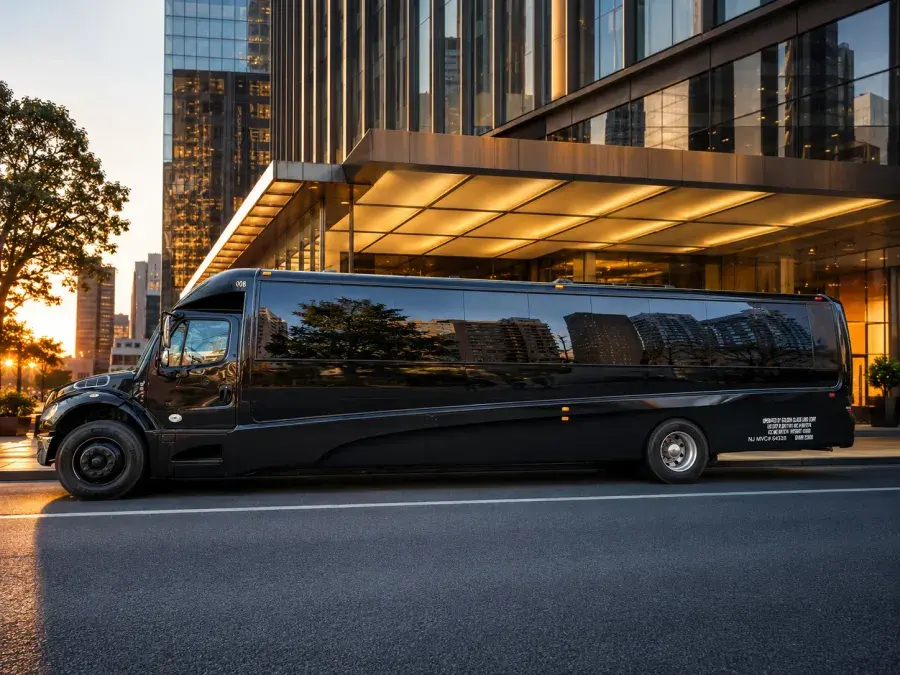
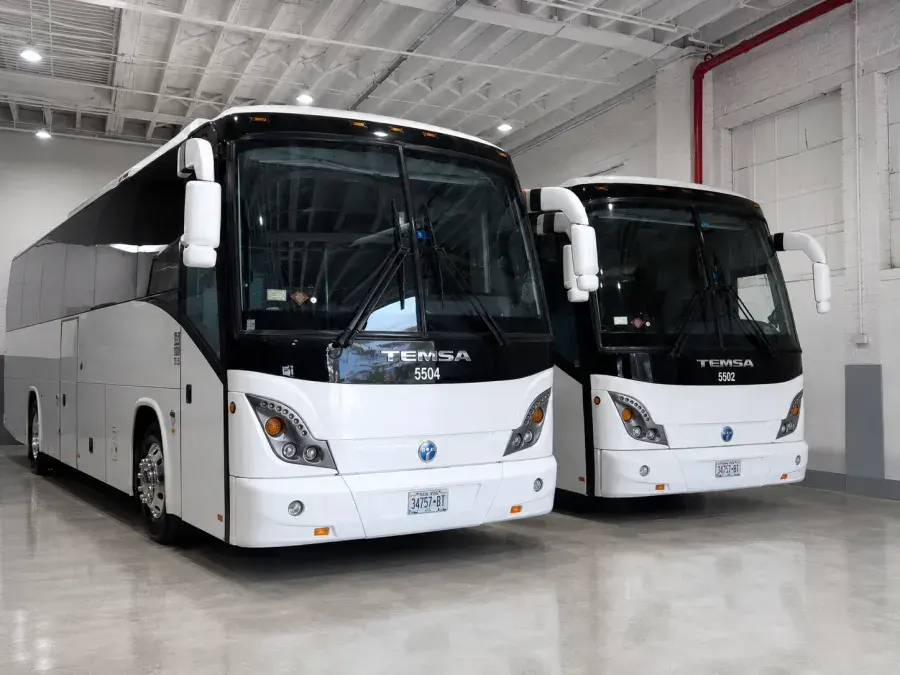
We sell one of these. The other three are real, and on the right day with the right luggage one of them is the better trip.
Best for. Delegations, firms with several appointments in a day, anyone ending up outside the District itself, and trips where the contents of the conversation should stay in the vehicle.
The catch. Slower than the train between the two downtowns and priced for the vehicle rather than the seat. One person going Midtown to Union Station on a fixed schedule should take Amtrak, and we will tell them so.
Best for. One or two travellers between the two city centres with a single appointment and no equipment.
The catch. Union Station is not where most business in the region actually happens. A Bethesda or Tysons meeting means a transfer at the far end, a party of eight pays eight fares, and a delegation that wants to talk on the way is doing it in a public carriage.
Best for. A single traveller with a same-day return whose appointments sit conveniently near one of the airports.
The catch. Two airport transfers, security and a gate wait swallow the time saved, and this corridor is heavily exposed to weather and air-traffic delays. For a group there is also no guarantee everybody gets rebooked onto the same flight.
Best for. Individual budget travel with a flexible day and hand luggage only.
The catch. Fixed departures, fixed terminals and no control over the stops. It cannot hold a vehicle at a venue while a hearing overruns, which is the single thing most bookings on this corridor actually need.
Tell us the programme and the vehicle stays with you between them rather than being rebooked.
6 corridors, each right for somewhere different. Your chauffeur has your address before the day and chooses with live conditions rather than at the time you booked.
ServesThe first half of the journey
Turnpike ticket plus the bridge toll, inside the quote
The straightforward part, with one caveat: the truck and car carriageways split for most of it, and the car lanes are the faster choice for everything except a coach, which has to stay right.
ServesThe Maryland approach north of Baltimore
Two tolled crossings, both inside the quote
Short, exposed and the place where holiday weekends visibly queue. It is the reason a Thanksgiving-week booking is quoted with an extra hour rather than the usual figure.
ServesPassing the city without going round it
Tolled southbound, inside the quote
The corridor's real bottleneck, and one where the vehicle changes the answer: tunnel restrictions mean a coach may be routed differently from a sedan on the same journey, so a group booking is planned rather than assumed.
ServesTrips routing around a tunnel queue
Untolled on the western arc
Longer in miles and frequently shorter in minutes at the wrong hour. The decision is made from the live tunnel approach rather than in advance, and it is one of the places where a chauffeur who knows the corridor earns the booking.
ServesThe northern and eastern approaches to DC
Untolled, and closed to commercial vehicles
The pleasant way in for a car and not an option for a coach at all. For a sedan or SUV heading to the northeast quadrant it is usually quicker than the interstate, especially in the afternoon.
ServesBethesda, Silver Spring, Tysons, Alexandria and the office parks
Optional express lanes, used only when they save time
The last thirty minutes that decide whether the trip was five hours or six. Most of this corridor's business ends on the Beltway rather than in the District, which is exactly what the train cannot do.
Typical door-to-door ranges under ordinary conditions. Weather, incidents and holiday weekends all sit outside this table.
4am – 7am
Leaves Manhattan before the tunnels fill and reaches Baltimore before its own peak. The standard departure for a morning appointment in the District.
7am – 10am
The Hudson crossings and then the Baltimore approach both load. An hour later out of the city can cost most of an hour on arrival.
10am – 3pm
The steadiest band on the corridor, and the one most day-hire bookings use for the outbound leg.
3pm – 7pm
Three peaks in a row — New York, Baltimore and the Beltway — which is the combination that produces the six-hour version of this trip.
7pm – 11pm
Clear once the Beltway empties. The usual return window for a same-day trip that finished with an evening event.
11pm – 4am
Quickest on the road, and the band where the chauffeur's hours rather than the traffic set what is possible.
That is the trip the timetable cannot run — give us the address and we will quote it.
The address decides the crossing, and the crossing decides the time. These are typical figures outside a peak window.
| Destination | Distance | Typical drive | Usual crossing |
|---|---|---|---|
| Downtown DC and the K Street offices | about 230 miles | 4h 15m–6h 00m | Baltimore-Washington Parkway into the District |
| Capitol Hill and Union Station | about 228 miles | 4h 15m–6h 00m | The Fort McHenry and Harbor tunnels at Baltimore |
| Georgetown and the West End hotels | about 232 miles | 4h 30m–6h 00m | Capital Beltway to the Virginia and Maryland suburbs |
| Bethesda and Silver Spring | about 225 miles | 4h 15m–5h 45m | Capital Beltway to the Virginia and Maryland suburbs |
| Tysons, Reston and the Dulles corridor | about 245 miles | 4h 45m–6h 15m | Capital Beltway to the Virginia and Maryland suburbs |
| Alexandria and Crystal City | about 238 miles | 4h 30m–6h 00m | Capital Beltway to the Virginia and Maryland suburbs |
| Baltimore Inner Harbor | about 190 miles | 3h 30m–4h 30m | I-695 Baltimore Beltway as the bypass |
| Wilmington and the Delaware corporate offices | about 125 miles | 2h 15m–3h 00m | I-95 through Delaware and the Susquehanna crossing |
Papers stay with you, the conversation stays in the car, and the chauffeur waits while a hearing overruns. The widget above quotes your addresses with tolls and the gratuity inside.
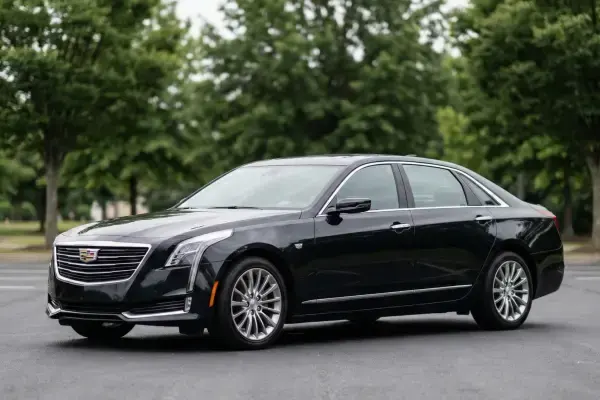
A principal who wants the corridor as quiet working time
Quoted on your addresses and hours
Get an instant quoteSpecs and photos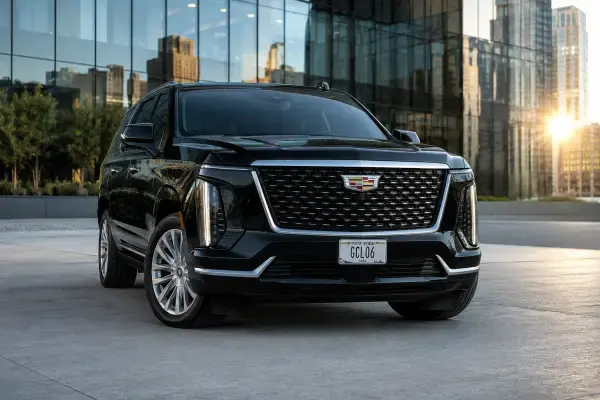
A small delegation with document cases and room to spread out
Quoted on your addresses and hours
Get an instant quoteSpecs and photos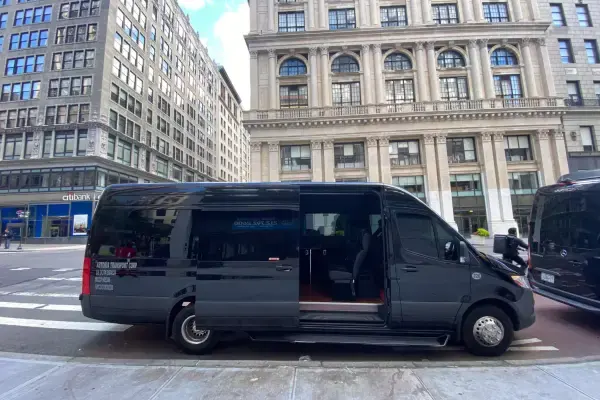
A firm or press team briefing on the way down
Quoted on your addresses and hours
Get an instant quoteSpecs and photosA firm preparing on the way down and debriefing on the way back
Quoted on your addresses and hours
Get an instant quoteSpecs and photos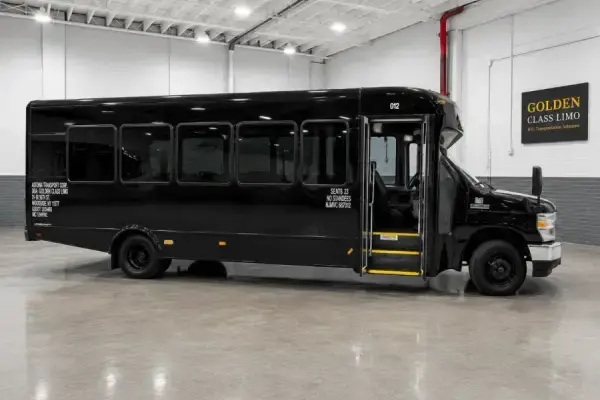
Association trips, student groups and campaign staff
Quoted on your addresses and hours
Get an instant quoteSpecs and photos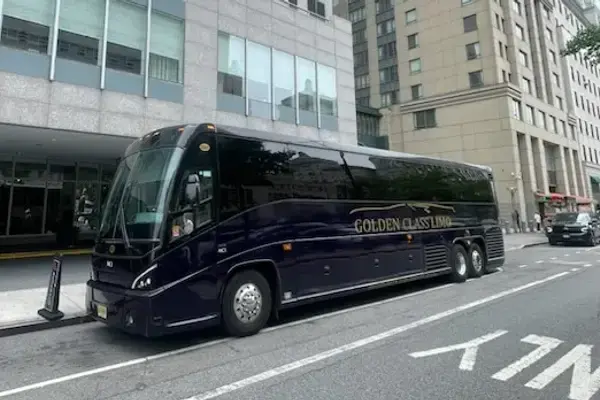
Full delegations and tour parties on a fixed programme
Quoted on your addresses and hours
Get an instant quoteSpecs and photosFares shown are for the Washington DC zone and are the same figures the booking form returns. A pickup or drop-off outside it prices differently, which is what the form is for.
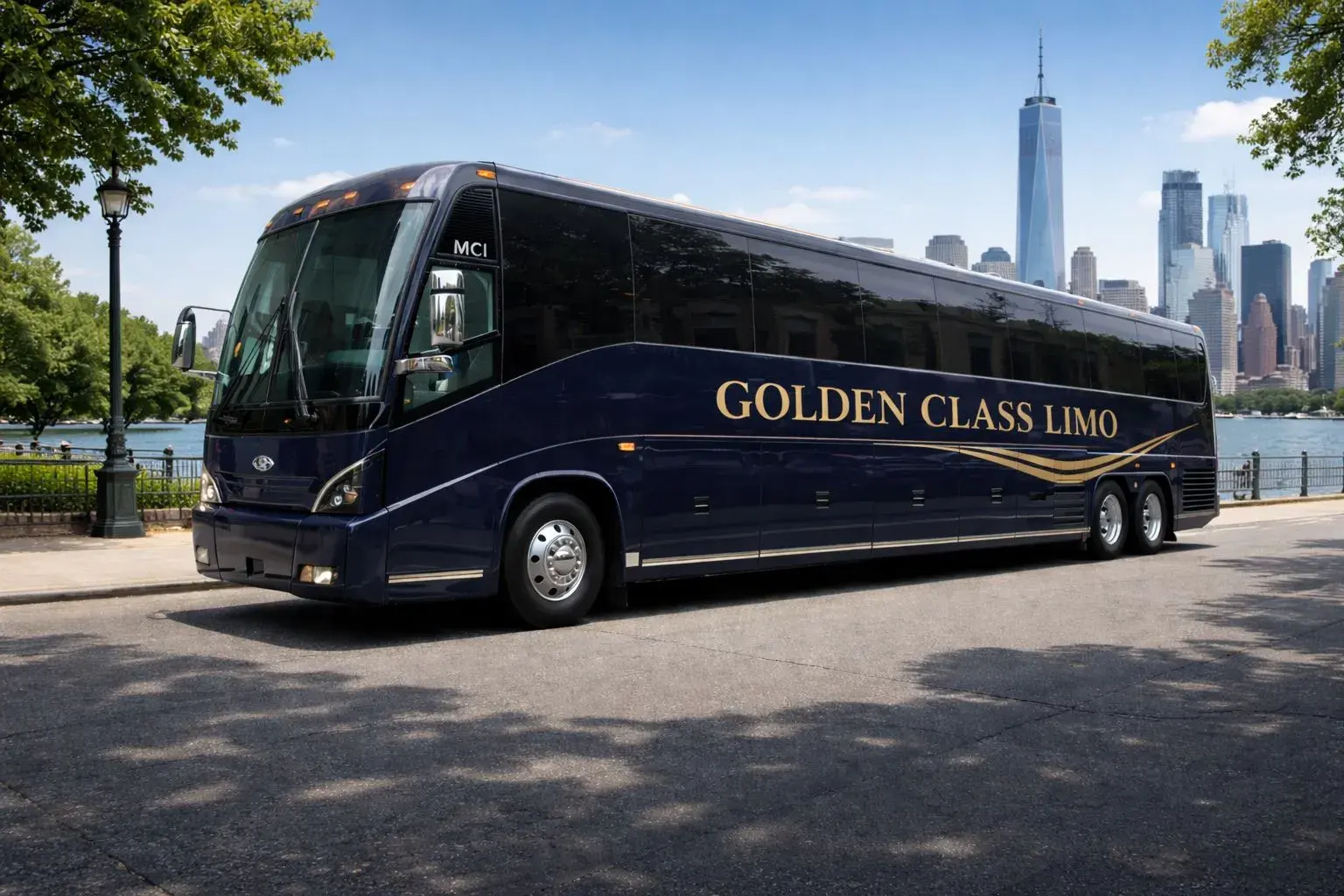
One mini bus or coach to one door, luggage in the hold, the whole party arriving at the same minute.
Most bookings here are not a single transfer. They are a day, and the day is agreed before the vehicle leaves Manhattan.
We work backwards from when you have to be in the room, and choose both the leaving time and the Baltimore routing for that hour. On a corridor with this much variance it is the decision that matters most.
A vehicle held for the day stays with you between addresses rather than being dismissed and rebooked. That is quoted as hours, and it is what makes three appointments in a day realistic.
The same person drives the outbound, the day and the return where hours allow, so nobody is re-explaining the schedule at four in the afternoon. Where the day is too long for that, we say at the quote which legs change.
Tunnel restrictions at Baltimore and the parkway ban on commercial vehicles mean a coach does not follow a sedan's route. Group bookings are planned with those constraints rather than meeting them at a portal.
The return is more exposed than the outbound, because two of the three bottlenecks sit in the second half of it.
The Beltway and then Baltimore in sequence can add an hour and a half. If the day allows, a departure before three or after seven is a materially different journey.
Lincoln, Holland or the bridge depends on your Manhattan address and the hour, and the wrong one at the wrong time is twenty-five minutes. We take the street at booking rather than the neighbourhood.
A round trip down and back is nine or ten hours of driving before any waiting. It is quoted as a day with the regulated rest built in, or staffed with a second chauffeur, and that is settled before you travel.
Hearings, votes and board meetings overrun. A vehicle on a day hire simply waits; a vehicle booked as two separate transfers has to be rebooked, which is the version that goes wrong.
Booking both directions at once is one reservation on one account, on (718) 360-9383 or through the form above.
We watch your inbound flight and move the pickup with it, so a delay costs you nothing.
Room to clear immigration and collect bags without the clock working against you.
Your chauffeur waits in the arrivals hall with a name sign and helps with luggage.
Quoted as a flat, all-in rate. No surge, no line items added at drop-off.
Professional, uniformed and employed by us — never a broker's contractor.
A fully insured, inspected black fleet, maintained to a premium standard.
This page is about the road south. Those cover how an account is run, the halfway city and what each vehicle holds.

Executive partner
A partnership we hold directly with the organization — the same standard of service we bring to every airport transfer.
Book online, or call and a dispatcher will put a chauffeur on it.
Manhattan to Washington DC car service is booked overwhelmingly by people working: law firms with a filing, trade associations with a hearing, companies with a regulator, press teams following a story, and delegations whose programme covers three addresses before dinner.
That shapes everything about the page. The question is almost never whether the car beats the train on the clock — it does not, over 230 miles. It is whether the day works, and a day with several stops, a delegation that has to stay together and an address on the Beltway is a day the timetable cannot run.
The Delaware crossings, the Baltimore harbour tunnels and the Capital Beltway decide whether this is a four-hour drive or a six-hour one. The rest of the I-95 corridor is ordinary motorway that behaves predictably in both directions.
Baltimore is the one that needs planning rather than watching. The tunnels are restricted, the bypass around the west of the city is longer in miles and often shorter in minutes, and a coach may be held to a different route from a sedan on the same booking — so the vehicle is part of the routing decision, not an afterthought.
Very little of this corridor is a one-way transfer. The typical booking is a vehicle for the day: down in the morning, held between appointments, back the same evening. Quoted as hours it costs less than three separate trips and removes the part that usually fails — finding a car at four o'clock when a meeting has overrun.
It also means the vehicle is where the confidential conversation happens. A team can prepare between stops, papers stay in the car rather than in a station concourse, and nobody is rehearsing an argument next to a stranger on a train.
For groups the arithmetic is straightforward. Twenty rail seats plus transfers at both ends against one mini bus or coach quoted once, with everybody arriving at the same address at the same minute and the luggage in the hold rather than in a rack.
The planning is where the value sits. Larger vehicles are routed around the Baltimore restrictions in advance, the drop point at a hotel or venue is confirmed before the day, and the programme rather than the mileage sets the schedule — which is the difference between a delegation that arrives ready and one that arrives in pieces.
Four to six hours for about 230 miles. An early-morning or late-evening departure is at the fast end; leaving in the afternoon means meeting the New York peak, the Baltimore tunnels and the Capital Beltway in sequence, which is where the six-hour version comes from.
About 230 miles to downtown DC, roughly 225 to Bethesda and up to 245 to the Tysons and Dulles corridor. Nearly all of it is the I-95 corridor through New Jersey, Delaware and Maryland.
For one person with a single downtown appointment, the train is faster and we will say so. A private vehicle is the better answer for a delegation, for a day with several addresses, and for anything ending on the Beltway rather than at Union Station — which is most business in that region.
Yes, and it is how most of this corridor is booked. The vehicle travels down with you, waits between appointments and returns the same evening, quoted as hours rather than as separate trips — so a meeting that overruns costs you nothing but time.
Three places: the Delaware crossings, the Baltimore harbour tunnels and the Capital Beltway. The Baltimore stretch is the one that needs a decision, because the western bypass is longer in miles and frequently shorter in minutes when the tunnel approach is queueing.
Not always. The harbour tunnels carry restrictions and the Baltimore-Washington Parkway is closed to commercial vehicles, so a coach can be routed differently from a sedan on the same booking. Group trips are planned around that in advance rather than at the tunnel portal.
Yes. Mini buses from 23 to 38 seats and 55-seat motor coaches run this corridor for associations, campaigns and student programmes, with luggage in the hold and the venue drop point agreed beforehand so the whole party arrives at one door together.
That is a large part of why firms book it. The conversation stays in the vehicle rather than in a public carriage, papers stay with you between appointments, and the same chauffeur handles the day wherever hours allow rather than a different driver at each leg.
Yes — Bethesda, Silver Spring, Alexandria, Crystal City, Tysons and the Dulles corridor are as common as downtown drops. Those addresses are the clearest case for driving, because reaching them by rail means a transfer at Union Station at the end of the journey.
Yes. The Turnpike, the Delaware Memorial Bridge, the Susquehanna crossing and the Baltimore tunnel toll are inside the quoted figure along with the chauffeur's gratuity. Express lanes on the Beltway are used only when they genuinely save time.
4.7 stars across 300+ Google reviews — and 3,100+ riders served.
Available 24/7, 365 days a year
Get an instant quote online, or call and a dispatcher will have a chauffeur on the way.