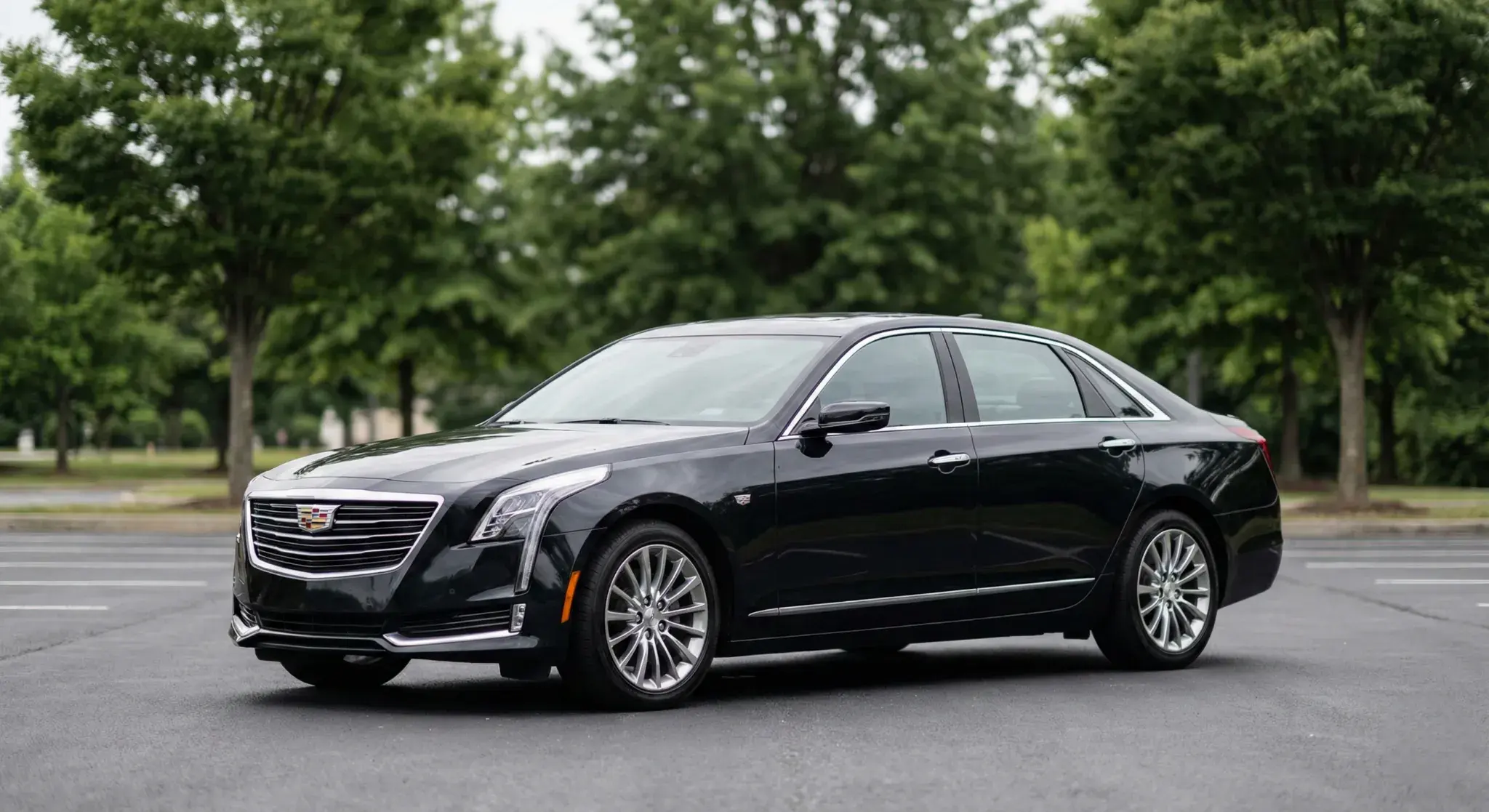
Executive Sedan
3 passengers · 3 bags

SEDANS · SPRINTER VANS · MINI BUSES · COACHES
Eight bridges, one fixed price — and room for the whole group. Sedans to 55-seat coaches, 24/7.
Chauffeured transportation between every Bronx neighbourhood and every part of Manhattan — Harlem and Columbia, the east-side hospitals, Midtown, Penn Station and downtown — in sedans, Escalade ESVs, Sprinter vans, mini buses and 55-seat coaches.
4.7 ★ · 300+ Google reviews · 3,100+ clients
Trusted by teams & travelers across NYC










The Bronx sits directly above Manhattan, so the drive is short and the bridge decides it. Harlem is about six miles from the south Bronx, Midtown around ten, and the Financial District sixteen. Times run from 20 minutes off-peak to 55 in a weekday afternoon.
Eight crossings link the two boroughs. The Major Deegan Expressway and the Willis Avenue Bridge serve the east side, the RFK Bridge feeds the FDR Drive, the Madison Avenue and 145th Street bridges drop straight into Harlem, and the Henry Hudson Parkway runs down the west side from Riverdale.
The subway is fast, frequent and cheap on this route, and for a single passenger going to a station it is usually the right answer. What we run instead are the trips it handles badly: groups of ten to fifty-five, hospital and clinic journeys, event and game-day parties, luggage-heavy airport connections, and anyone for whom stairs and platforms are the obstacle.
Golden Class Limo covers it in executive sedans, Escalade ESVs, 14-passenger Sprinter vans, mini buses and 55-seat coaches, quoted on the two addresses before travel with any tolls, the congestion relief charge where it applies and the gratuity inside the figure.
Dispatch answers 24/7, 365 days a year on (718) 360-9383, which matters on a route where a good share of the work starts at six in the morning or ends after a late event.
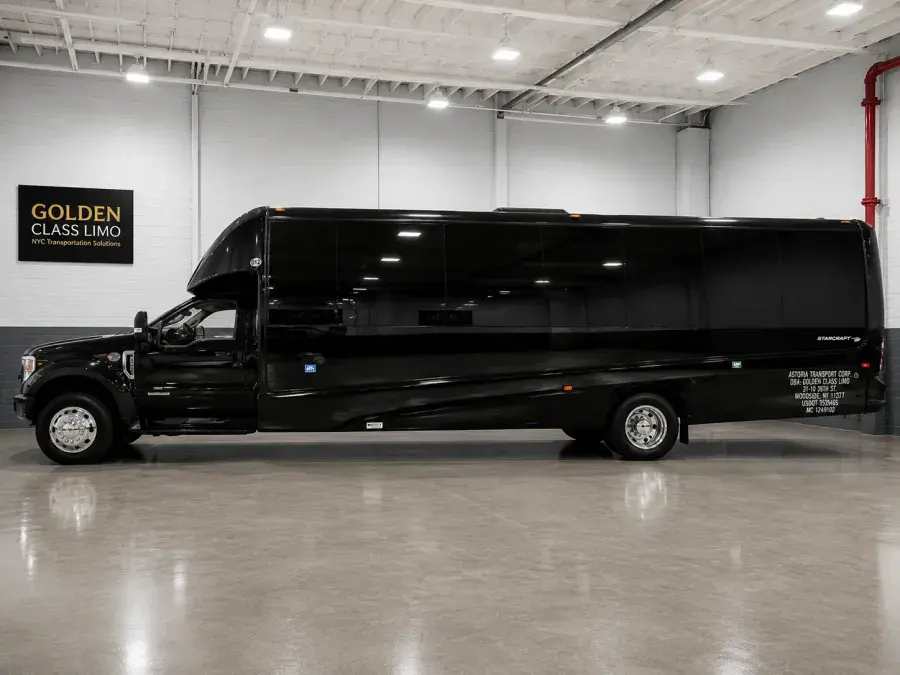
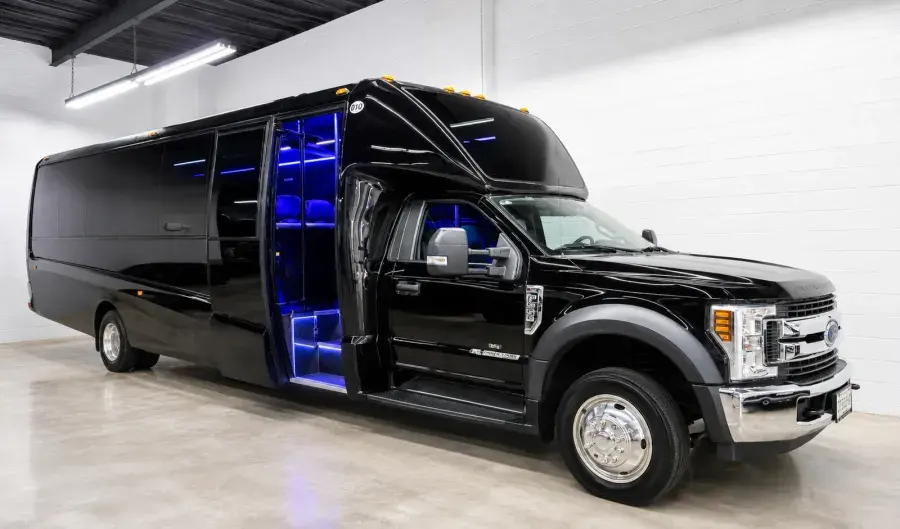
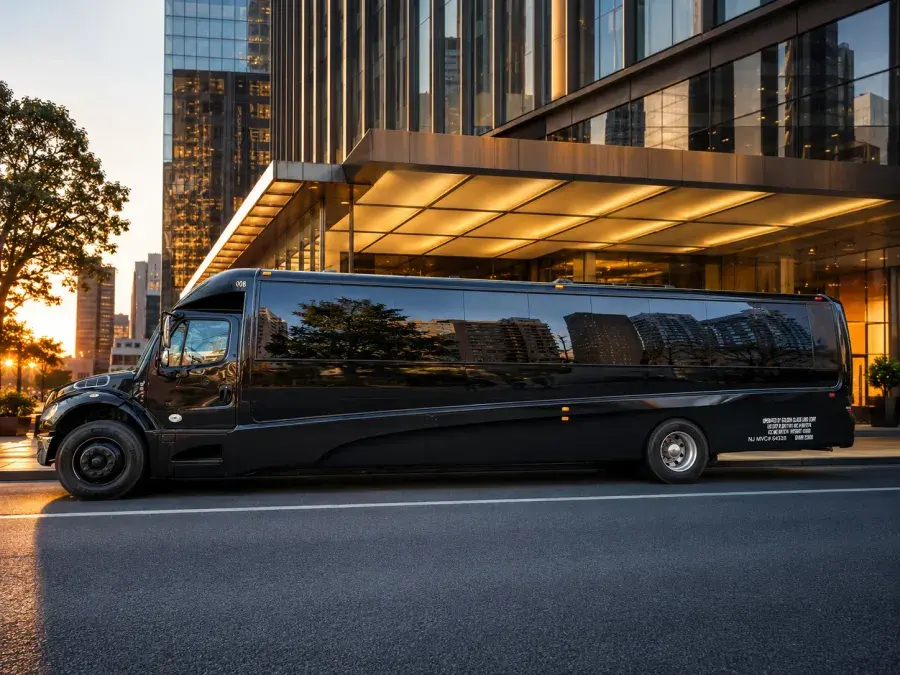
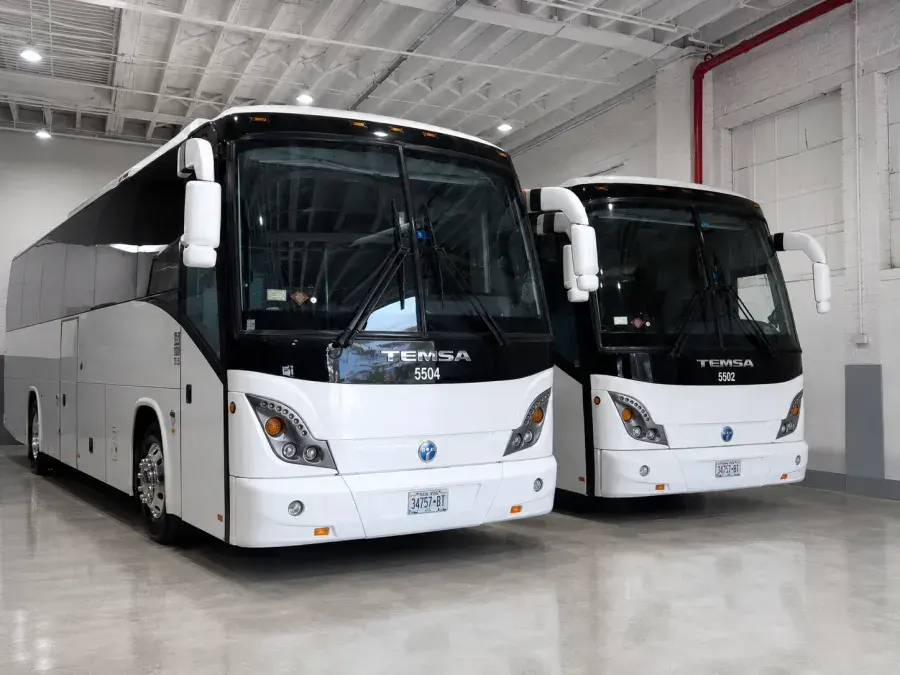
Sedans and SUVs for one to six, Sprinter vans for fourteen, mini buses and motor coaches to fifty-five. Switch tabs to see each class, or quote one straight from its card.
Showing 13 of 13 vehicles.
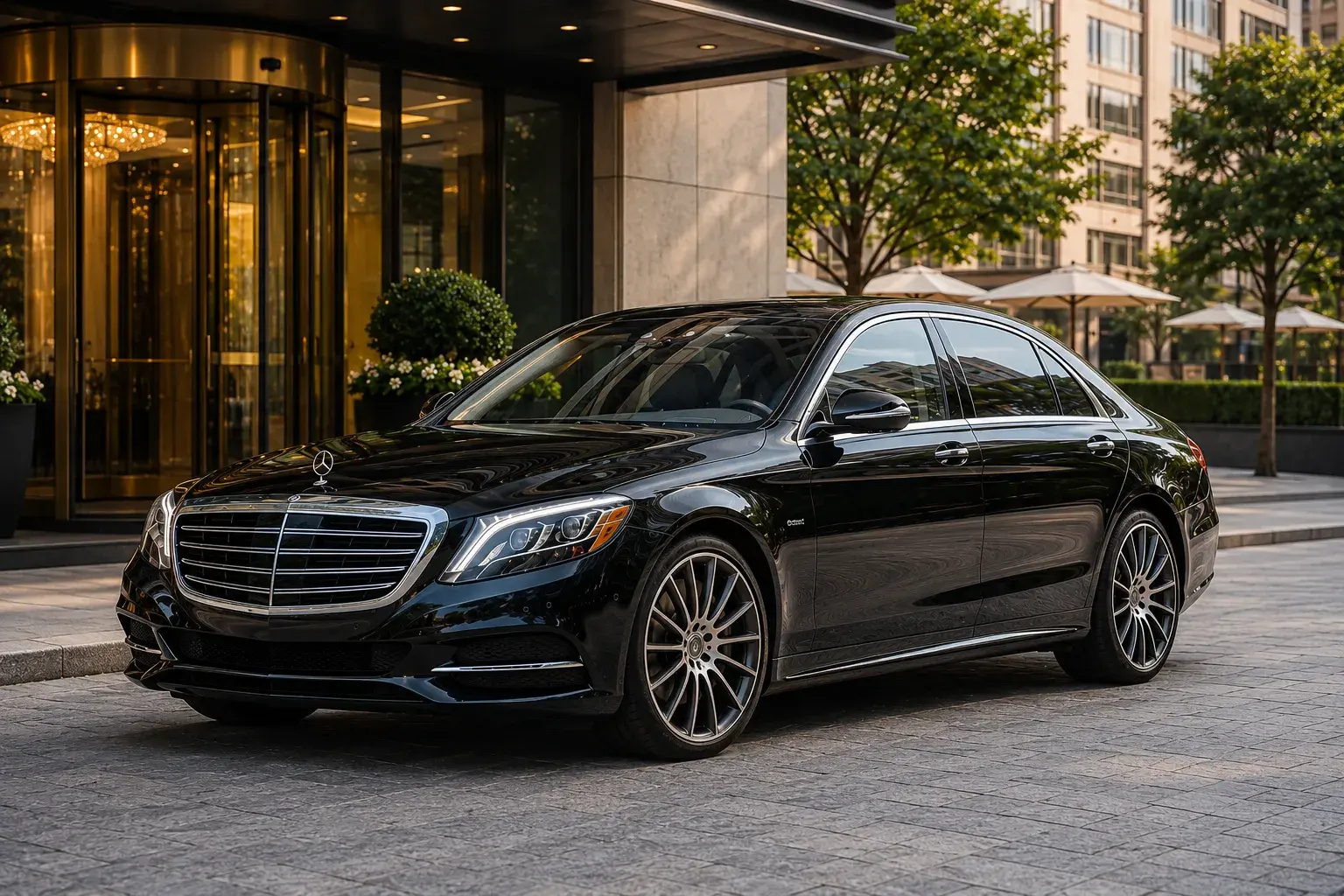
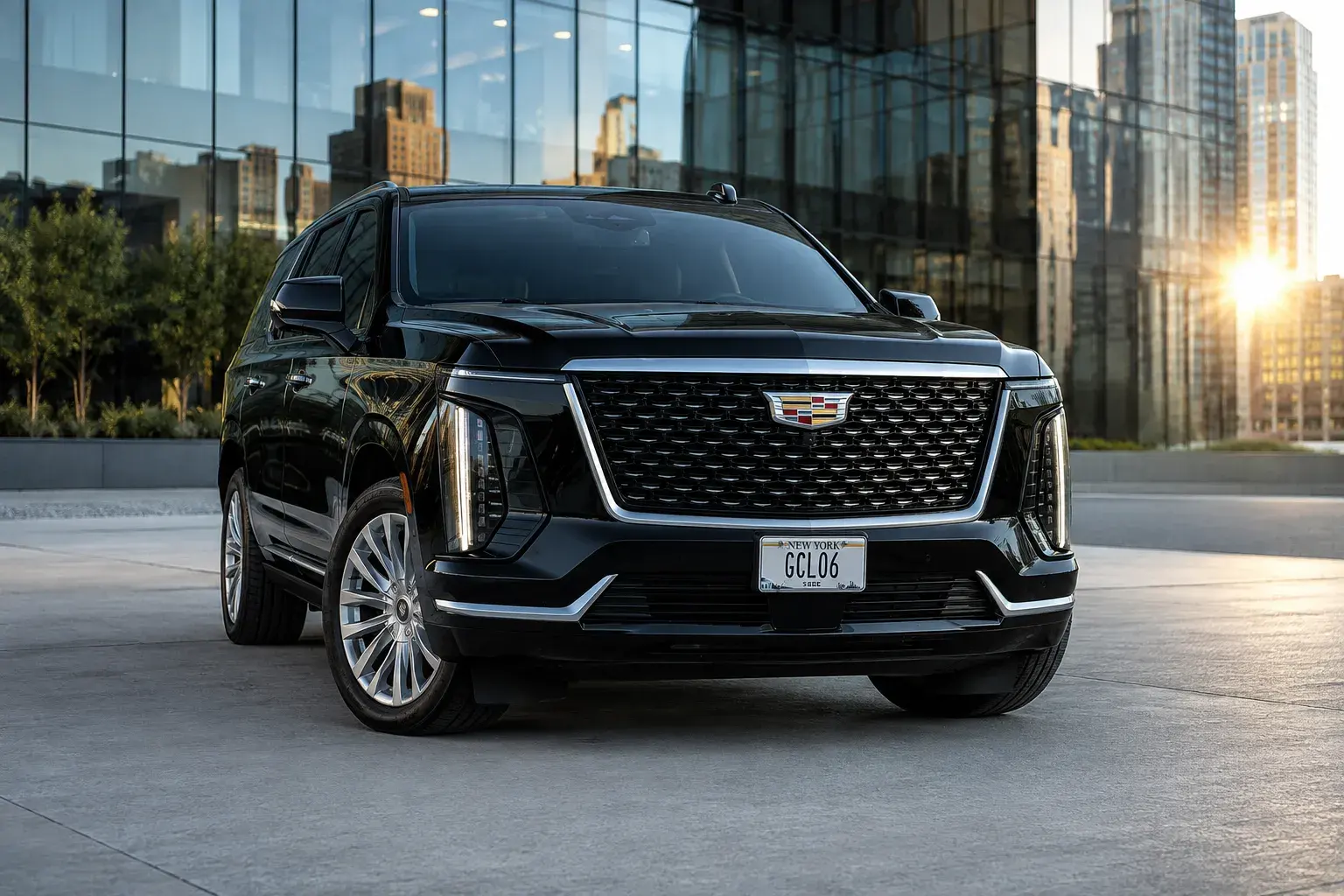
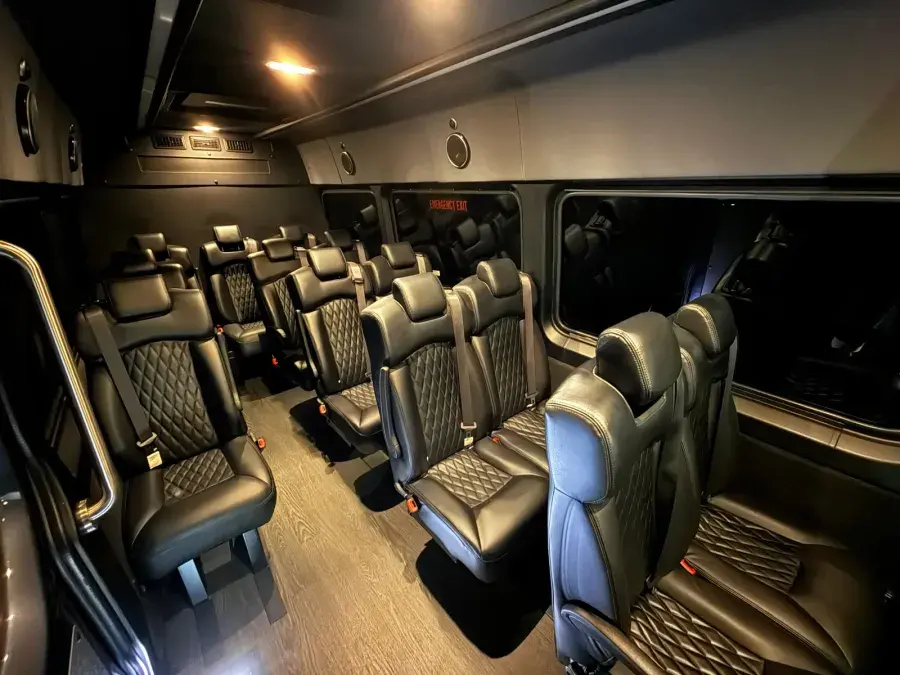
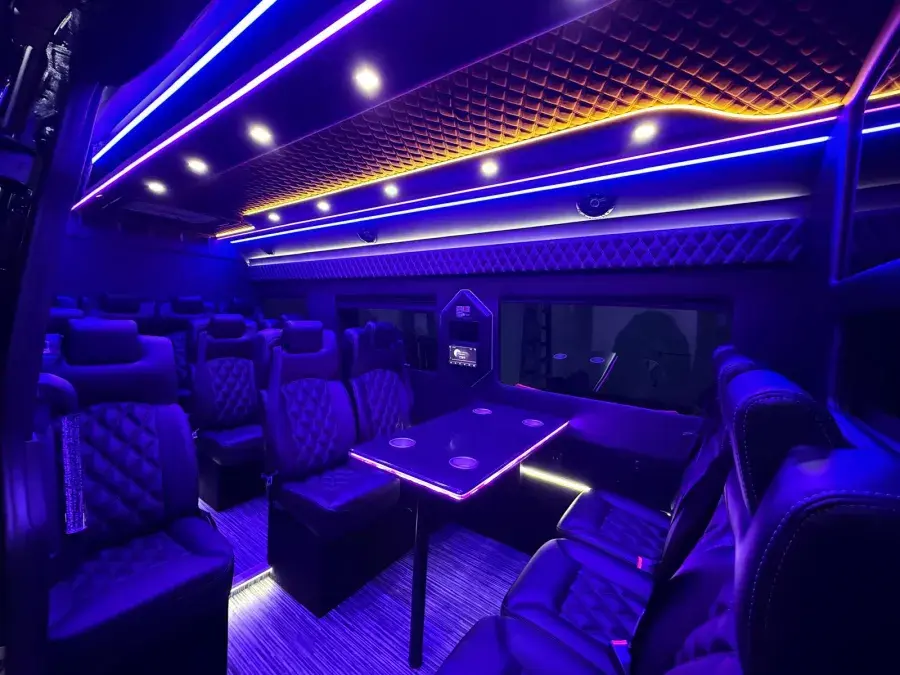
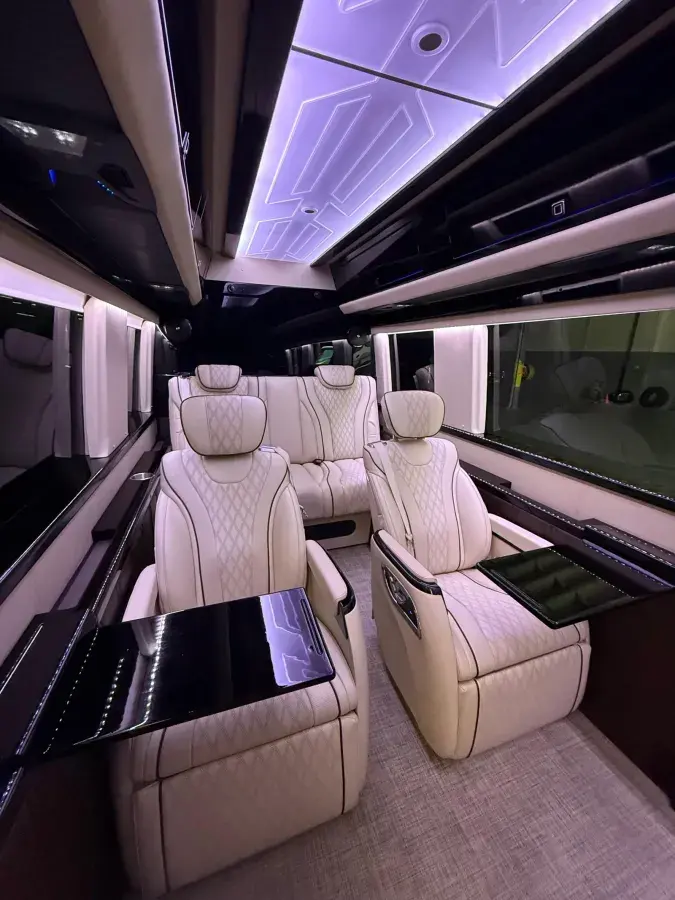
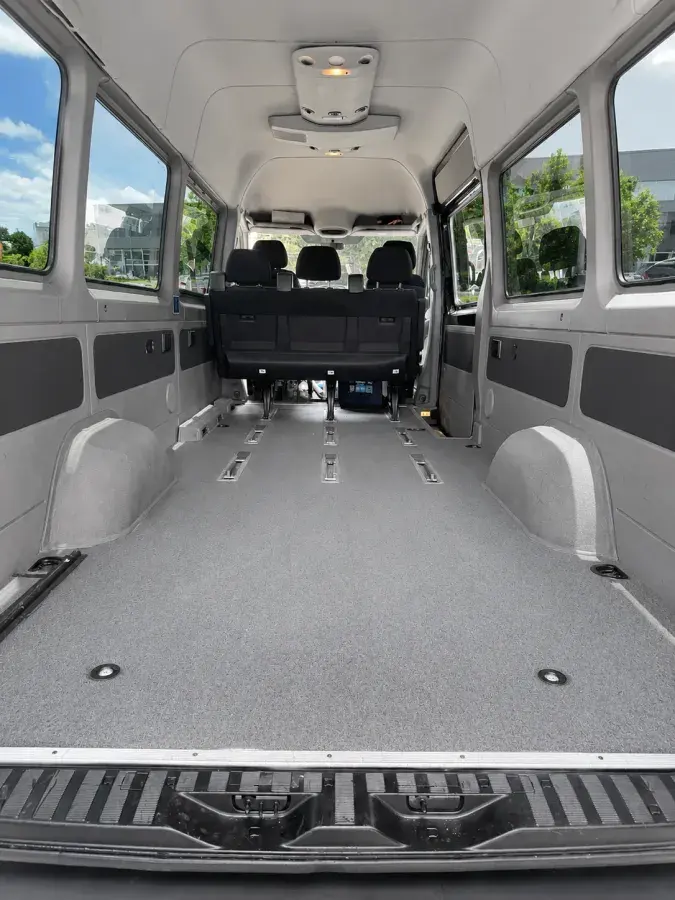
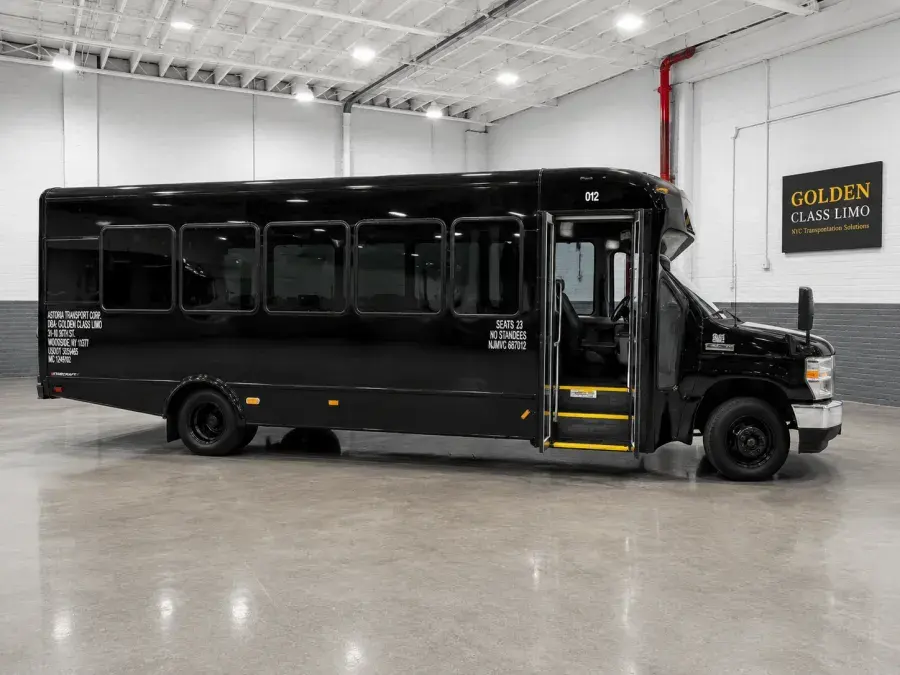
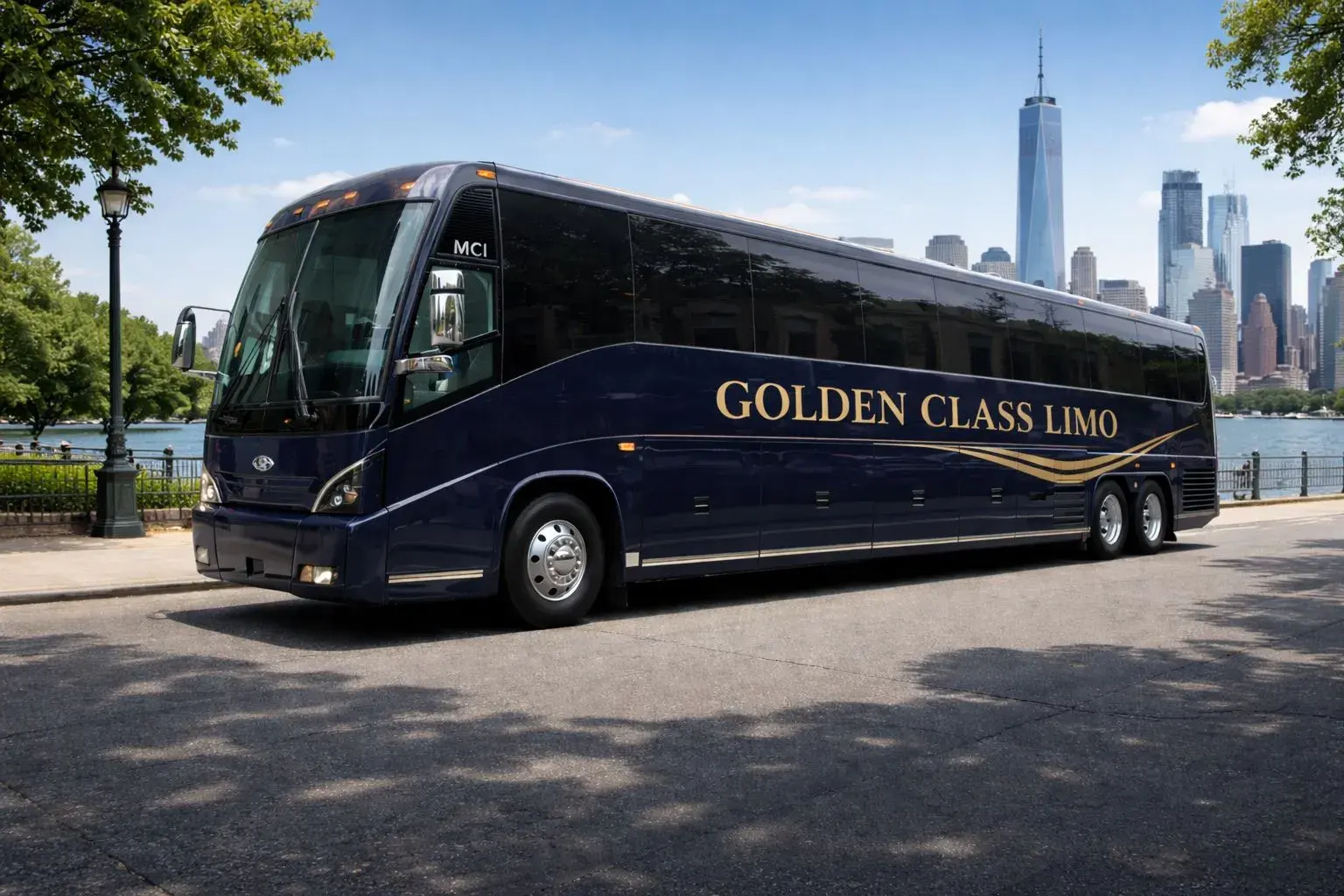
We sell one of these. The other three are real, and on the right day with the right luggage one of them is the better trip.
Best for. Groups of any size, hospital and clinic trips, event parties leaving together, luggage-heavy connections, and anybody who cannot manage stairs and platforms.
The catch. For one person travelling between two subway stops in the middle of the day, this costs many times the fare and saves very little time. It earns its price on group size, on timing you cannot risk, and on the trips where a platform is the problem rather than the distance.
Best for. Solo and pairs travelling between two points that are genuinely near stations, at almost any hour of the day or night.
The catch. Many Bronx and Manhattan stations still have stairs and no lift, weekend service changes reroute trains without much warning, and a group of twenty with bags is not a subway trip in any practical sense. Late at night the wait between trains does most of the damage to the journey time.
Best for. Riverdale, Fordham and Botanical Garden addresses heading to Midtown East, when the timetable lines up with the trip.
The catch. It only helps if both ends sit near the line: you need to reach a Bronx station and then get across Manhattan from Grand Central, which for most destinations means a second journey. Off-peak trains are infrequent enough that a missed one costs half an hour.
Best for. A short one-off trip for one or two people who are happy to take whatever vehicle arrives.
The catch. Street hails are scarce in much of the Bronx, app supply thins out in the evening in the north of the borough, and prices rise exactly when an event ends and everybody needs a car at once. Nothing larger than an SUV exists, so a group splits and arrives in pieces.
Groups, luggage, appointments and late nights. Give us both addresses for a fixed price.
5 corridors, each right for somewhere different. Your chauffeur has your address before the day and chooses with live conditions rather than at the time you booked.
ServesMidtown East, Murray Hill, Kips Bay and the east side generally
Untolled in both directions
The workhorse for east-side trips and free, which is why it carries the volume it does. Its bad hours are predictable rather than random — the southbound side clogs from about seven, and a chauffeur will take the Bruckner and the Third Avenue Bridge instead rather than join the queue at the Stadium.
ServesEast Harlem, the Upper East Side hospitals and anything reached from the FDR
Untolled
A short, sharp crossing that puts a vehicle onto the Harlem River Drive within a block, and the best approach to the hospital corridor on the east side. It is also one-way southbound, which surprises people planning a round trip on a map.
ServesThe Upper East Side, Midtown and anywhere below 42nd Street on the east side
Tolled by MTA Bridges and Tunnels
The paid option, and worth it when the free bridges are stopped: it lands directly on the FDR with no local streets in between. We take it when a hospital appointment or a flight leaves no margin, and say so on the quote rather than adding it quietly.
ServesCentral and West Harlem, Columbia, City College and Morningside Heights
Untolled
The local crossings, and the right ones for anything in upper Manhattan west of Fifth Avenue. Macombs Dam sits beside Yankee Stadium, so on a game day it is the bridge to avoid entirely — the 145th Street crossing carries that traffic far better.
ServesThe Upper West Side, Lincoln Center, Columbus Circle and the west side
A tolled parkway bridge at the Bronx end
The calmest run into Manhattan and the fastest from the north-west Bronx outside peak hours, with the river beside you the whole way. Commercial vehicles are barred by the parkway height limits, so mini buses and coaches take the Deegan instead — the same journey, a different road.
Typical door-to-door ranges under ordinary conditions. Weather, incidents and holiday weekends all sit outside this table.
4am – 7am
Empty bridges and an empty Deegan. The band we use for early flight connections and for staff moves that have to be in place before a shift starts.
7am – 10am
Southbound is the commute direction and every free crossing feels it. The RFK and the FDR usually hold up better than the Deegan, which is when paying a toll buys back real time.
10am – 3pm
Steady. Hospital appointments, campus visits and most group bookings sit in this window because it is the most predictable part of the day in both directions.
3pm – 7pm
Northbound is the hard direction now, and Manhattan's cross-streets do more damage than the bridges. A pickup on an avenue rather than mid-block saves more time than any route choice at this hour.
7pm – 11pm
Clear except around an event letting out. On nights with nothing on at the Stadium the run is close to its overnight figure in both directions.
11pm – 4am
The quickest hours, and the ones where a booked car earns its keep: street hails and app supply both thin out badly in the north of the borough after midnight.
We agree a meeting point clear of the closures and hold the vehicle there until everyone is aboard.
The address decides the crossing, and the crossing decides the time. These are typical figures outside a peak window.
| Destination | Distance | Typical drive | Usual crossing | Congestion zone |
|---|---|---|---|---|
| Harlem and 125th Street | about 6 miles | 15–30 minutes | Macombs Dam and 145th Street bridges | Outside |
| Columbia and Morningside Heights | about 7 miles | 20–35 minutes | Macombs Dam and 145th Street bridges | Outside |
| The Upper East Side hospitals and museums | about 8 miles | 20–40 minutes | Third Avenue Bridge into the Harlem River Drive | Outside |
| Upper West Side and Lincoln Center | about 9 miles | 25–45 minutes | Henry Hudson Parkway southbound from Riverdale | Outside |
| Midtown East and the United Nations | about 10 miles | 25–50 minutes | Major Deegan Expressway to the Willis Avenue Bridge | Inside |
| Penn Station and the Garment District | about 11 miles | 30–55 minutes | RFK Bridge to the FDR Drive | Inside |
| Union Square and Gramercy | about 12 miles | 30–55 minutes | RFK Bridge to the FDR Drive | Inside |
| The Financial District and Battery | about 16 miles | 35–60 minutes | RFK Bridge to the FDR Drive | Inside |
New York’s congestion relief zone covers Manhattan south of 60th Street. A drop-off inside it costs more than one above the line; we confirm the amount that applies to your date at booking rather than publishing a figure that changes.
Group size is where this route pays for itself, and the coach arrives as one party rather than in instalments. The widget above prices your two addresses with tolls, the congestion charge where it applies and gratuity inside.
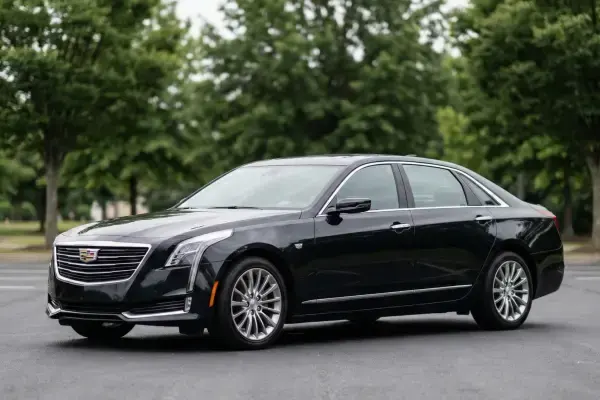
One or two people with an appointment, a dinner or a flight connection
Quoted on your addresses
Get an instant quoteSpecs and photos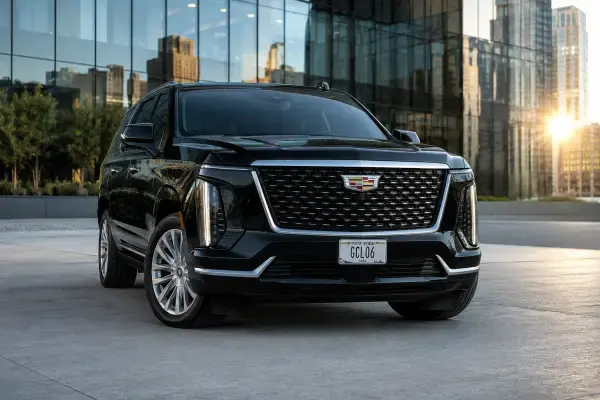
Families travelling together, with room for a folded wheelchair or a pram
Quoted on your addresses
Get an instant quoteSpecs and photos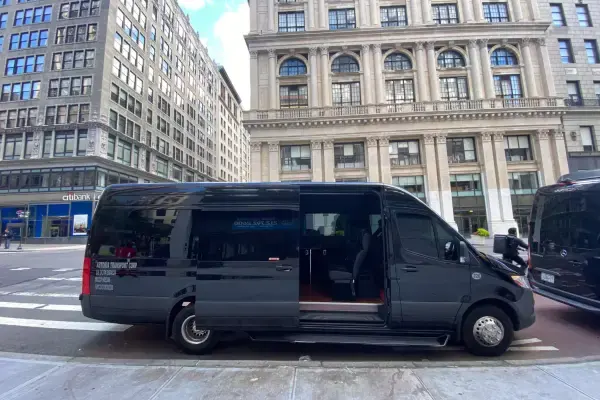
Work crews, campus groups and family parties moving as one
Quoted on your addresses
Get an instant quoteSpecs and photos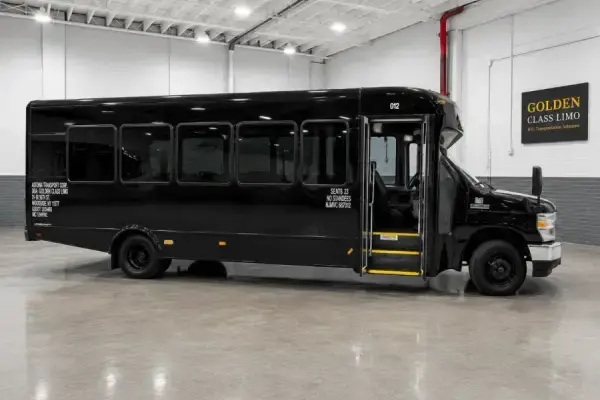
Congregations, senior groups and school trips heading downtown
Quoted on your addresses
Get an instant quoteSpecs and photos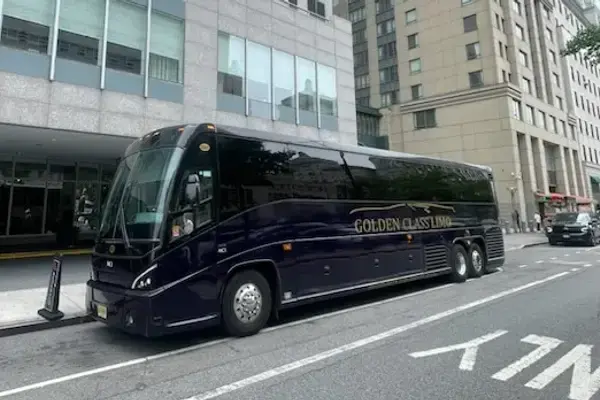
Full-size groups for games, graduations and community outings
Quoted on your addresses
Get an instant quoteSpecs and photosFares shown are for the Manhattan zone and are the same figures the booking form returns. A pickup or drop-off outside it prices differently, which is what the form is for.
One mini bus or coach, one loading point, everyone at the door together. Quoted on your date in a minute.
Most of what we run on this route is a group leaving one address at one time, so the pickup is about space to load rather than about finding the door.
For a congregation or a community outing the vehicle stands where it can take twenty people aboard without blocking a lane — usually the avenue side rather than the entrance itself. We walk the group to it rather than reversing a coach down a side street.
Around the Stadium on a match day the streets close in stages, so an agreed meeting point a few blocks clear of the ground is worth far more than an address at the gate. We fix it with you in advance and send it to every passenger.
Where passengers use walkers or wheelchairs, we allow proper loading time, park as close to the entrance as the law allows, and put the chauffeur on the pavement to help. Tell us at booking what is travelling and we size the vehicle for it.
Collecting a party from three or four Bronx addresses works best as a sequence that ends nearest the bridge you are taking. Each stop gets a time of its own, which keeps the last passengers from waiting in the street.
Coming north the traffic flips: the bridges are easier and Manhattan's own streets become the constraint, especially between three and seven.
A pickup on an avenue with room to stop beats one mid-block on a cross-street by several minutes at rush hour. We agree the corner beforehand rather than circling while a group gathers on a pavement.
A Manhattan pickup south of that line carries the charge, and it is inside your quote. There is nothing to settle in the vehicle and nothing added afterwards.
After a game, a graduation or a show, everyone leaves within ten minutes of each other. We hold the vehicle at an agreed spot away from the exit crush and keep the chauffeur in contact with whoever is leading the group.
After eleven the run north is quick and the bridges are clear. It is also the hour when finding anything on the street in the north Bronx is hardest, which is the argument for booking the return at the same time as the outbound.
Booking both directions at once is one reservation on one account, on (718) 360-9383 or through the form above.
We watch your inbound flight and move the pickup with it, so a delay costs you nothing.
Room to clear immigration and collect bags without the clock working against you.
Your chauffeur waits in the arrivals hall with a name sign and helps with luggage.
Quoted as a flat, all-in rate. No surge, no line items added at drop-off.
Professional, uniformed and employed by us — never a broker's contractor.
A fully insured, inspected black fleet, maintained to a premium standard.
This page is about the bridges. Those cover the boroughs at either end, the stadium work, and what each vehicle actually holds.
Executive partner
A partnership we hold directly with the organization — the same standard of service we bring to every airport transfer.
Book online, or call and a dispatcher will put a chauffeur on it.
Any honest page about Bronx to Manhattan car service has to start by admitting that the subway is very good on this corridor. The 4, B, D and 2 lines run all night, cost one fare whatever the distance, and on a weekday afternoon a train from 161st Street will reach Midtown as quickly as a car. For one person going from near a station to near a station, that is the right answer and we will say so on the phone.
What fills our enquiry log is everything that description leaves out. Twenty people leaving a hall together. A grandmother with a walker and two flights of stairs between her and the platform. A family with three suitcases catching a morning flight. A school group with a fixed arrival time. An event party at eleven at night in a part of the borough where a street hail does not exist. Those are not subway trips, and dressing them up as ones is how people end up late, separated or standing in the rain.
The two boroughs are joined by more bridges than any other pair in the city, and the choice is not cosmetic. East-side destinations go over the Willis Avenue Bridge off the Major Deegan, or across the Third Avenue Bridge onto the Harlem River Drive. Anything below 42nd Street on the east side is usually quickest over the tolled RFK Bridge onto the FDR. Upper Manhattan west of Fifth Avenue is a Macombs Dam or 145th Street trip, and the west side from Riverdale is the Henry Hudson Parkway.
Game days rewrite all of it. With a crowd at the Stadium the Macombs Dam Bridge and the streets around it are effectively closed to through traffic, so a chauffeur will route wide and meet you away from the ground. That is local knowledge rather than navigation, and it is most of what separates a booked vehicle from an app car on this corridor.
The economics on this route favour one vehicle strongly. Twenty-three people in a mini bus is a fraction of the cost of the cars it would replace, and unlike the cars it arrives as one group at one door. For a church outing, a school trip, a graduation or a family occasion that is the whole point: nobody is missing when the event starts.
It also removes the part of a group trip that usually goes wrong, which is the return. Everyone leaves an event at once, cars surge, and a party of twenty ends up scattered across four vehicles and forty minutes. A booked coach waits at an agreed spot and leaves when the last person is aboard, at the price agreed before the day.
A steady share of this route is medical and institutional: appointments at the east-side hospitals, dialysis and treatment schedules, discharges home to the Bronx, and campus movements around Fordham, Columbia and City College. Those trips are quoted like any other but planned with more slack, because a discharge never happens at the time the letter says.
For appointments the chauffeur waits nearby and comes to the entrance when you call, rather than holding a lane where vehicles are not allowed to stand. Where a wheelchair, a walker or an oxygen cylinder is travelling, tell us at booking and we will send a vehicle with the room to take it and the time to load it properly.
Between 20 and 55 minutes for most trips. Harlem is 15 to 30 minutes from the south Bronx, Midtown 25 to 50, and the Financial District 35 to 60. The morning peak southbound and the late-afternoon peak northbound are the slow windows; after eight in the evening the run is close to its overnight time.
Very close. Harlem is about six miles from the south Bronx, Midtown around ten and the Financial District sixteen, and the two boroughs are joined by more bridges than any other pair in the city. The distance is rarely the issue on this route; the crossing and the hour are.
For one or two people travelling near stations, the subway — it is fast, it runs all night and it costs one fare. A chauffeured vehicle is the better answer for groups of ten to fifty-five, hospital and clinic journeys, anyone who cannot manage stairs, luggage-heavy airport connections, and event nights when everybody needs to leave at once.
It depends on your destination. Midtown East and the Murray Hill area usually go over the Willis Avenue Bridge from the Major Deegan; the east-side hospitals over the Third Avenue Bridge; anything below 42nd Street often over the tolled RFK Bridge onto the FDR; Harlem and Columbia over Macombs Dam or the 145th Street bridge; and the west side down the Henry Hudson Parkway from Riverdale.
Yes, and they are planned differently. Streets around the Stadium close in stages, so we agree a meeting point a few blocks clear of the ground and send it to every passenger in advance. For a group leaving after the final out, the vehicle holds at that spot rather than circling, which is what turns a long exit into a short one.
Yes. We run mini buses from 23 to 38 seats and motor coaches to 55, and for forty people one coach is dramatically cheaper than the cars it replaces. We fix the loading point in the Bronx and the set-down in Manhattan before the day, because a coach cannot stop wherever a sedan can.
Yes. A Manhattan pickup or drop-off below 60th Street sits inside the congestion relief zone, and whatever applies to your vehicle and time is inside the quote you agree, along with any bridge toll and the chauffeur's gratuity. Nothing is added to the price afterwards.
Tell us at booking what is travelling and we will send a vehicle with room for it and allow proper loading time. Our chauffeurs assist at the kerb, and we park as close to the entrance as the law permits rather than expecting anyone to cross a road to reach the vehicle.
Yes, as an hourly or as-directed booking. The vehicle and chauffeur stay with you rather than being released after the drop, which suits medical appointments, court dates and meetings where the finish time is not knowable in advance. It is usually better value than booking two separate one-way trips.
A sedan or SUV can often be with you within the hour outside peak periods, and same-day is routine. Sprinter vans are better with a day or two of notice, and mini buses and coaches with a week or more, since group vehicles are a finite fleet. Dispatch is staffed 24 hours a day, 365 days a year.
4.7 stars across 300+ Google reviews — and 3,100+ riders served.
Available 24/7, 365 days a year
Get an instant quote online, or call and a dispatcher will have a chauffeur on the way.