125th Street corridor
The commercial spine and the fastest road east in upper Manhattan, busy by day and the reason the bridge is so close from here.

HARLEM · BRIDGE APPROACHES & BROWNSTONE BLOCKS
Off the island first, by the shortest approach Manhattan has.
Book online in a minute, or call (718) 360-9383. Dispatch is staffed 24/7, 365 days a year.
4.7 ★ · 300+ Google reviews · 3,100+ clients
Trusted by teams & travelers across NYC










Golden Class Limo covers Harlem from 110th Street north, river to river. Its advantage is simple geography: this is the easiest part of Manhattan to leave, in either direction.
The 125th Street corridor is the most direct approach to the RFK Bridge anywhere on the island, which puts LaGuardia unusually close. The George Washington Bridge is a short run further north, so New Jersey and Teterboro are reached without a tunnel at all.
Every Harlem address sits north of 60th Street and therefore outside the congestion relief zone, which is not true of most of the neighbourhoods further down the island.
Pickups are mostly at brownstone stoops rather than staffed lobbies, so the car is timed to the door. Frederick Douglass Boulevard is where anything larger loads. Rated 4.7 out of 5 across 300+ Google reviews, with dispatch on (718) 360-9383 at any hour.
Typical door-to-door times from around West 125th Street. Both crossings are north of here, which is why these figures run shorter than the same trips downtown.
| To | Distance | Typical drive time |
|---|---|---|
| Airports | ||
| LaGuardia (LGA)125th Street is the most direct approach to the RFK Bridge in Manhattan | ~8 miles | 20–45 minutes |
| Teterboro (TEB)North to the George Washington Bridge, then down the New Jersey side | ~10 miles | 25–55 minutes |
| Newark Liberty (EWR)The George Washington Bridge and the Turnpike, rather than a tunnel | ~15 miles | 35–70 minutes |
| JFKOver the RFK Bridge and south through Queens on the Grand Central | ~17 miles | 40–75 minutes |
Each row links to that airport's own page, where an arrival is tracked against the flight.
Harlem starts at 110th Street, fifty blocks clear of the congestion relief zone boundary.
That is worth stating plainly because it is often assumed the other way round. The zone covers Manhattan below 60th Street; a pickup here begins well outside it, and a trip that stays north or crosses a bridge never enters it at all.
It stops being true the moment a journey heads downtown, which many do. We say where your particular trip stands when the quote comes back, so it forms part of the price you agree rather than arriving later as a surprise.
Width, gradient and whether there is a service alley all change the answer.
The commercial spine and the fastest road east in upper Manhattan, busy by day and the reason the bridge is so close from here.
The landmarked terraces on 138th and 139th, where rear service alleys exist and the front kerb is narrow and residential.
Brownstone blocks around the park with stoops rather than lobbies, so the pickup is timed to the door instead of waiting at it.
A wide, modern avenue with newer buildings and proper loading room — the easiest place here for a coach to stand.
The hill above 135th Street, where steep cross streets and the viaduct decide which approach a larger vehicle can actually use.
From here the bridge is the first turn, not the last leg of a run down the island.
Sedans and SUVs work every block. Vans, mini buses and the coach load from the wide avenues, where there is room for their length without taking a lane from residents.
Showing 13 of 13 vehicles.
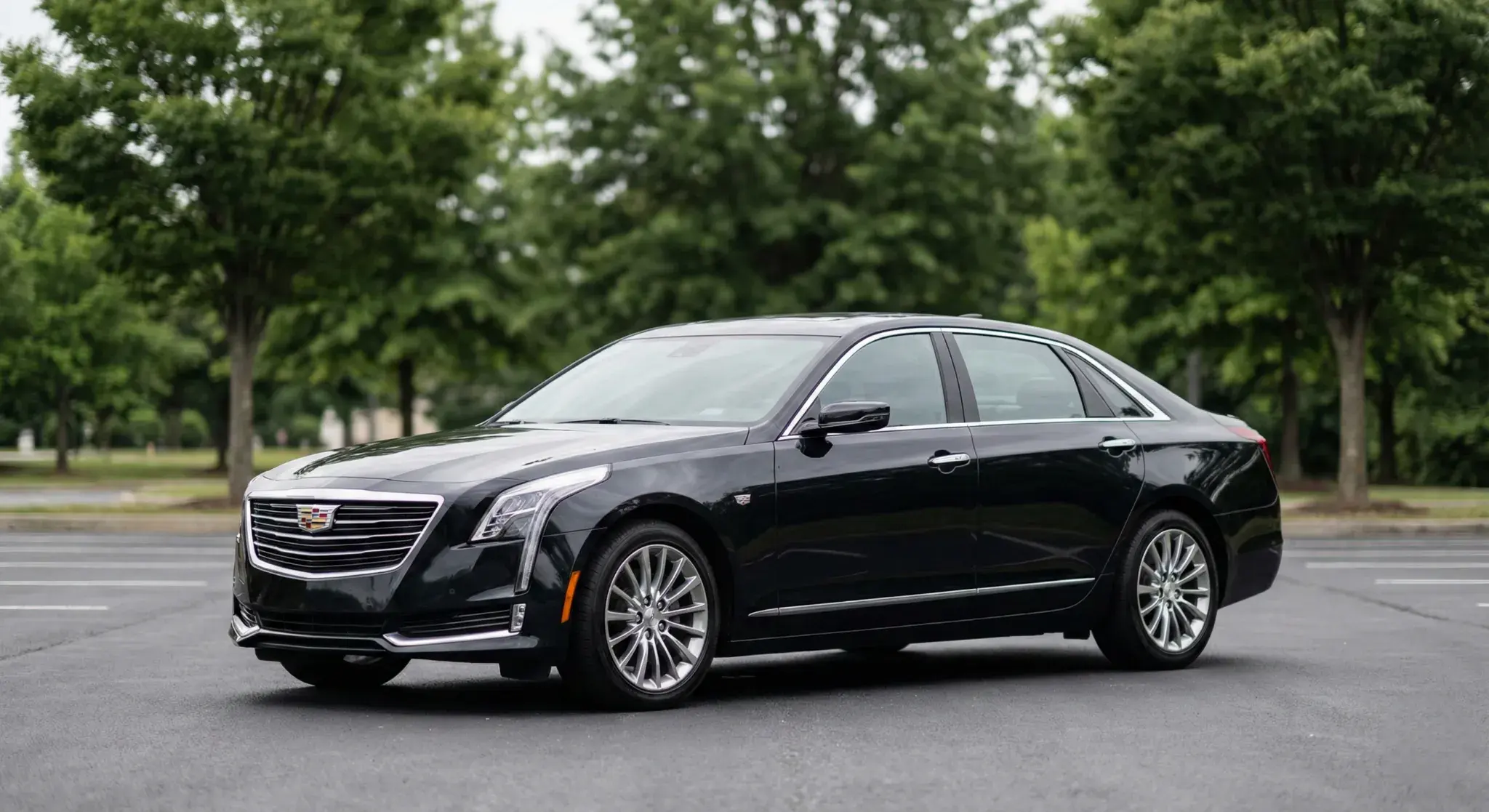
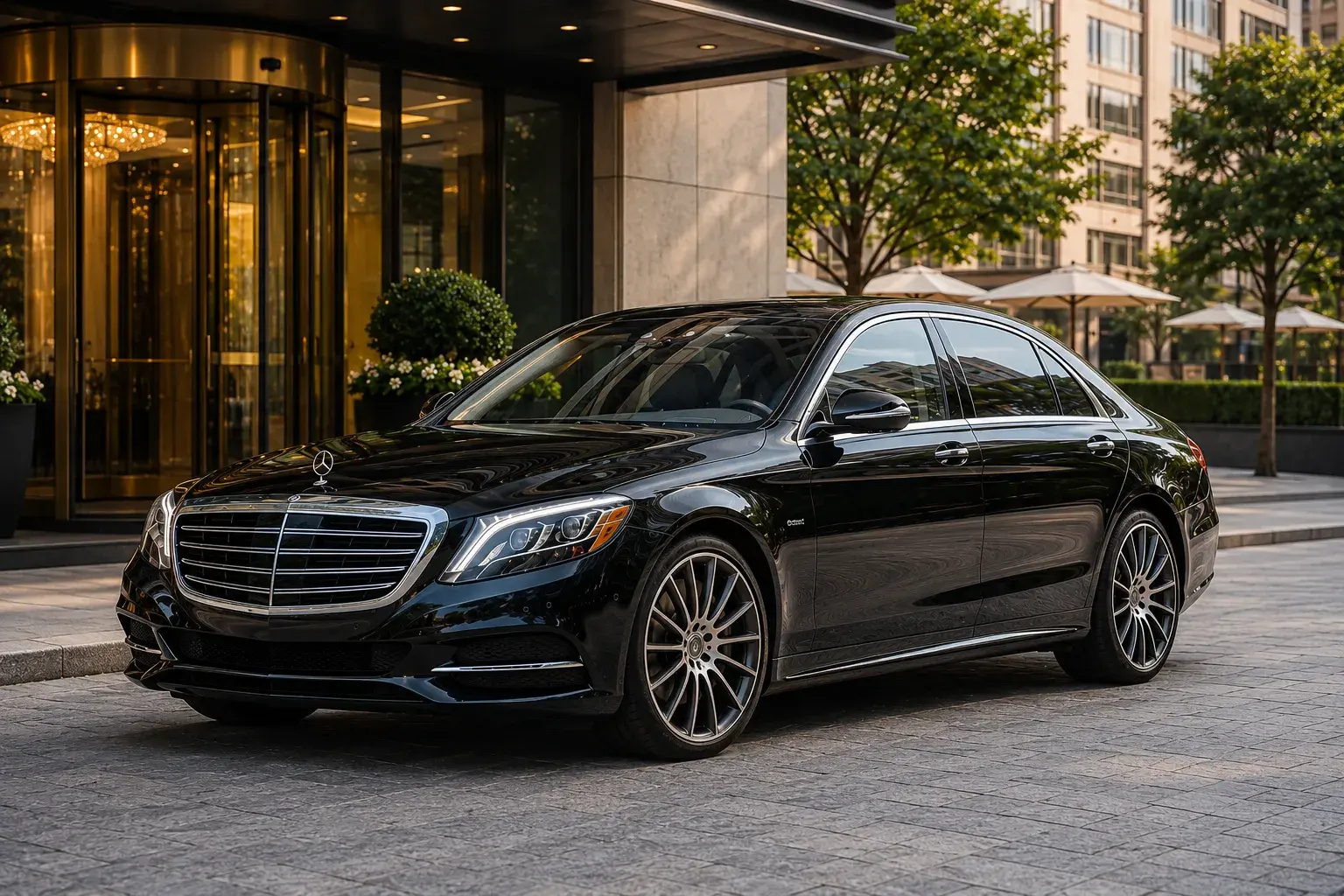
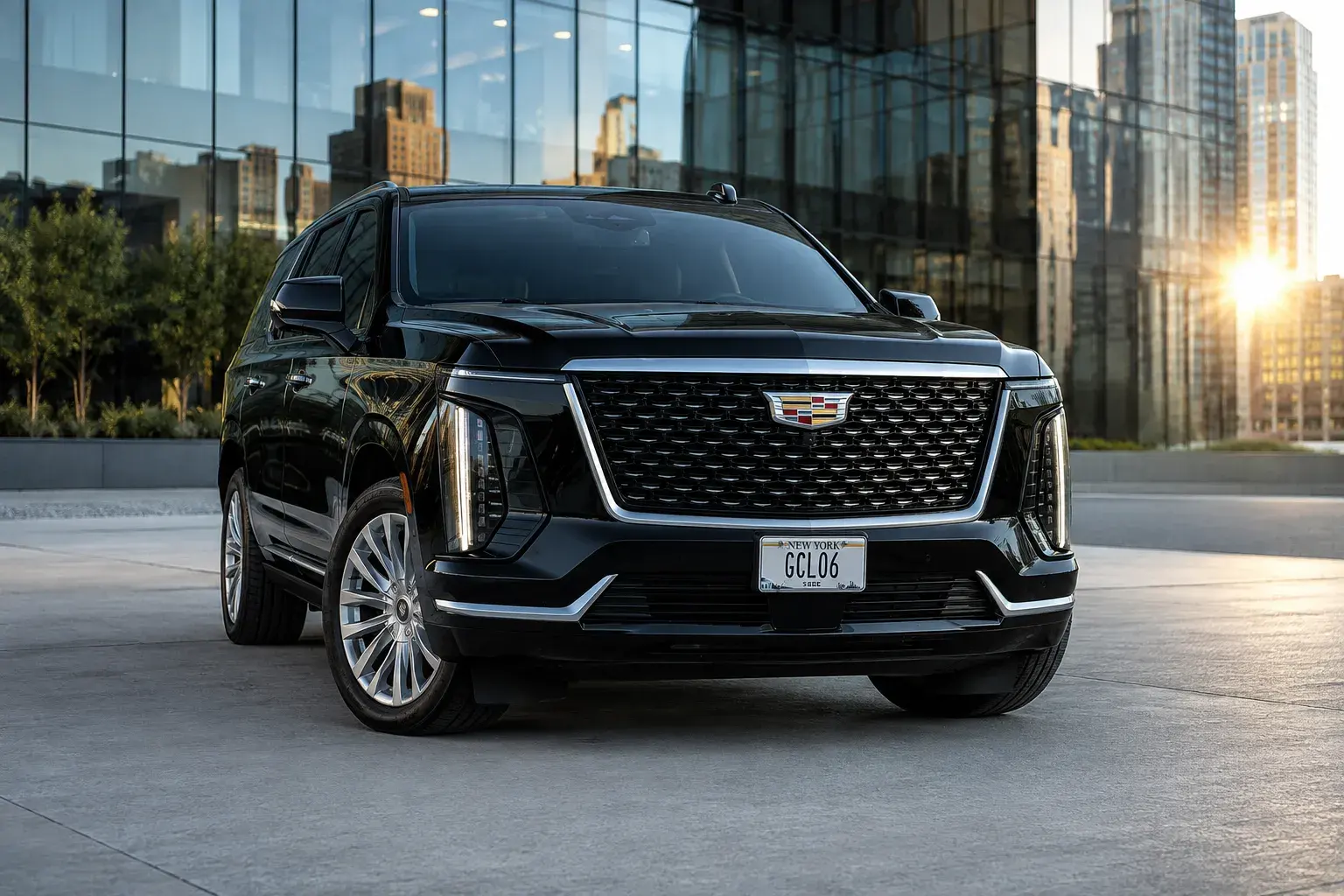
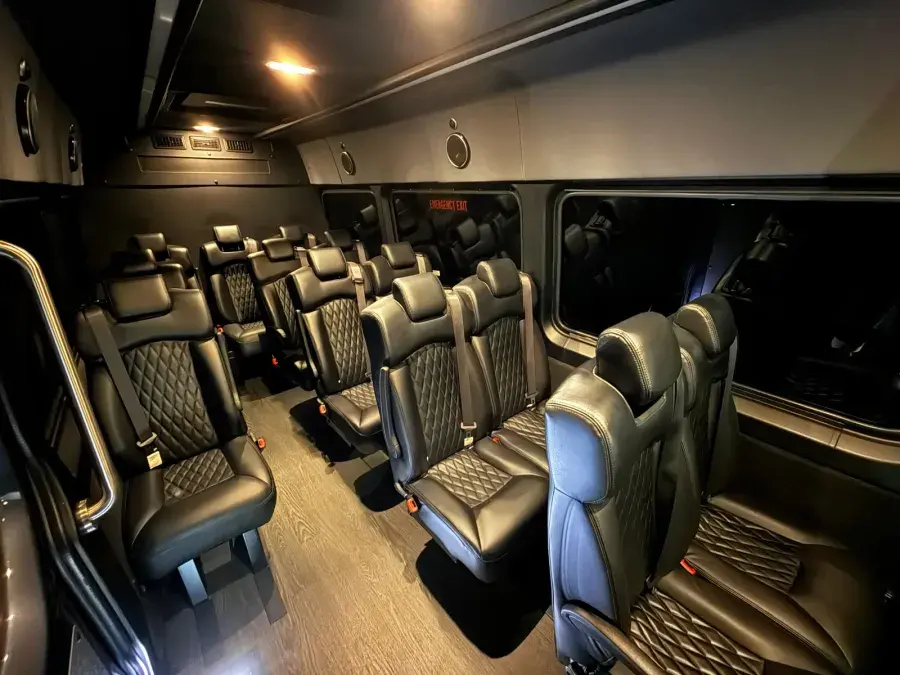
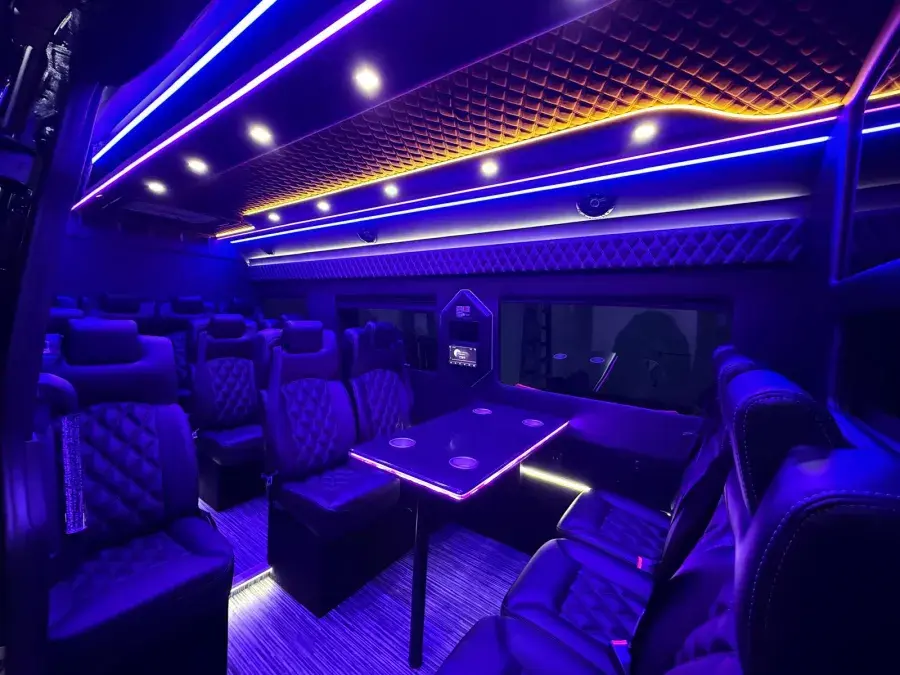

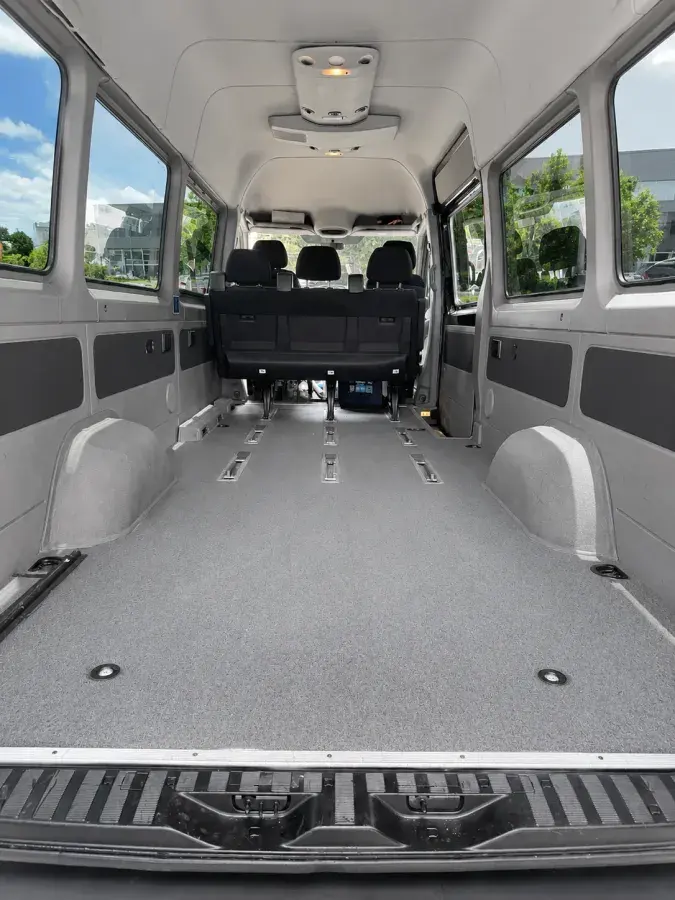
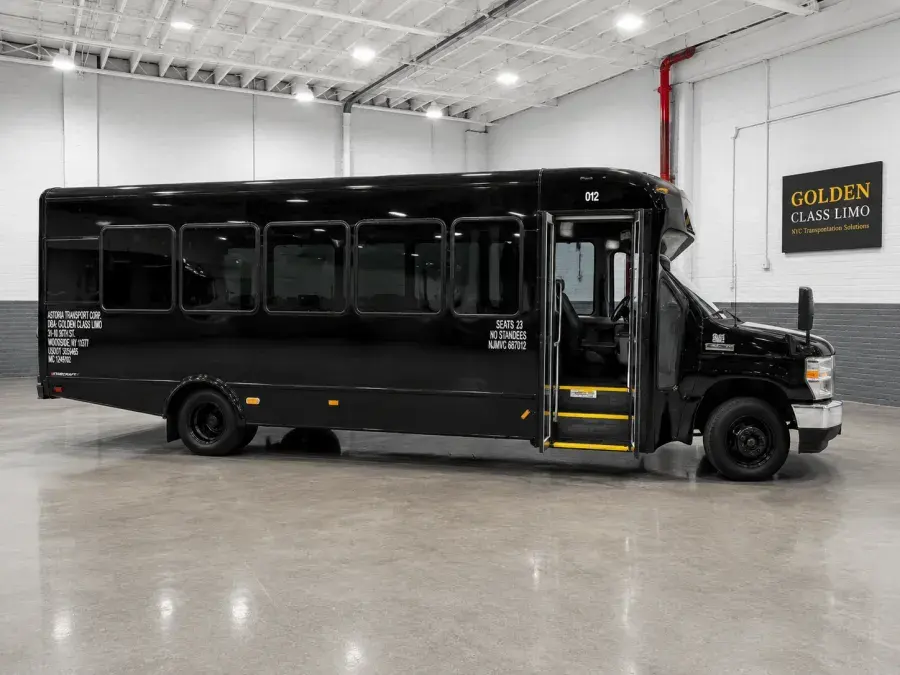
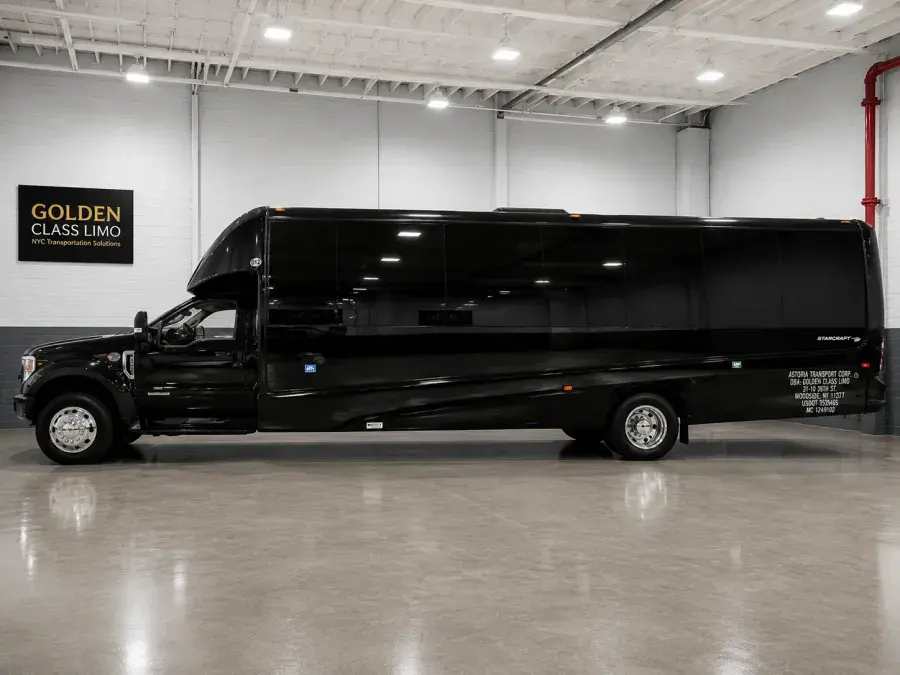
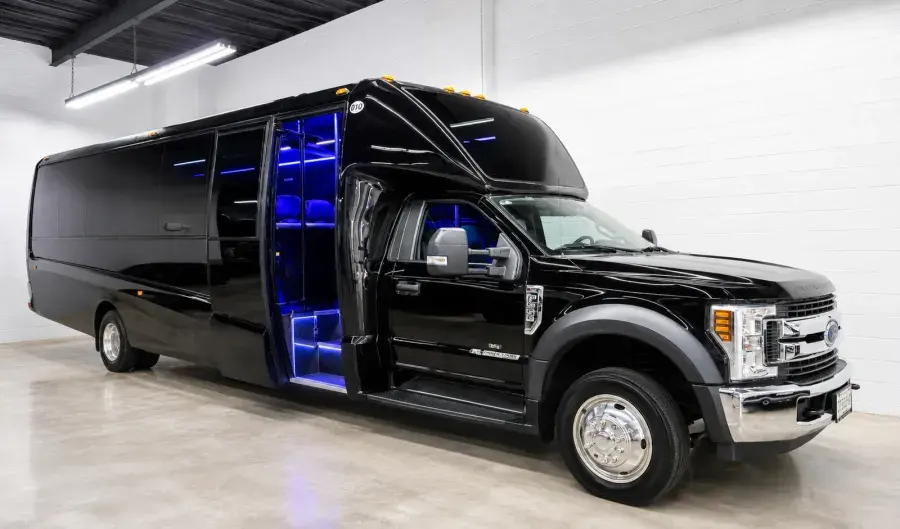
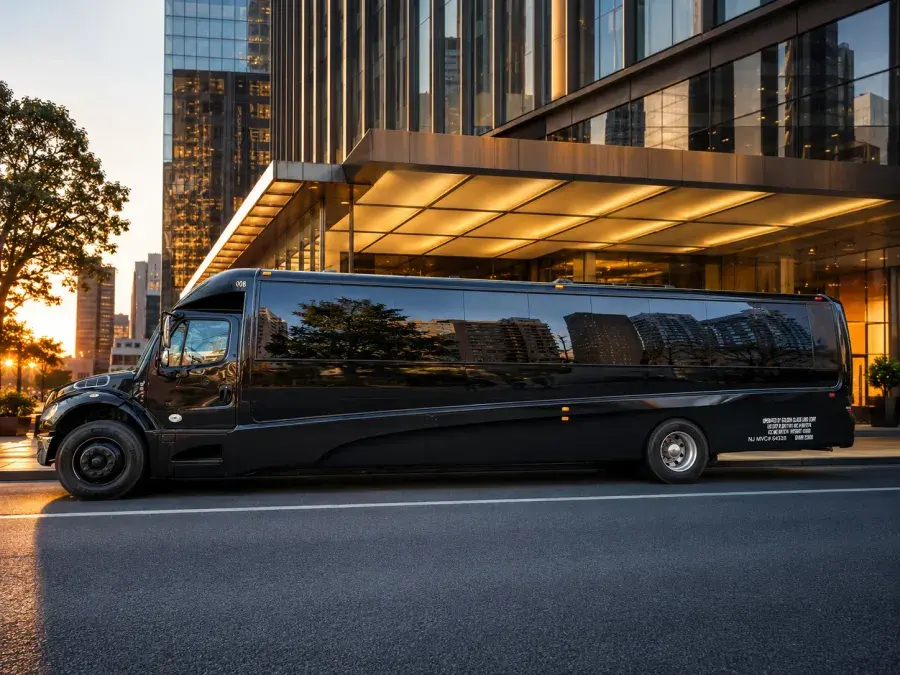
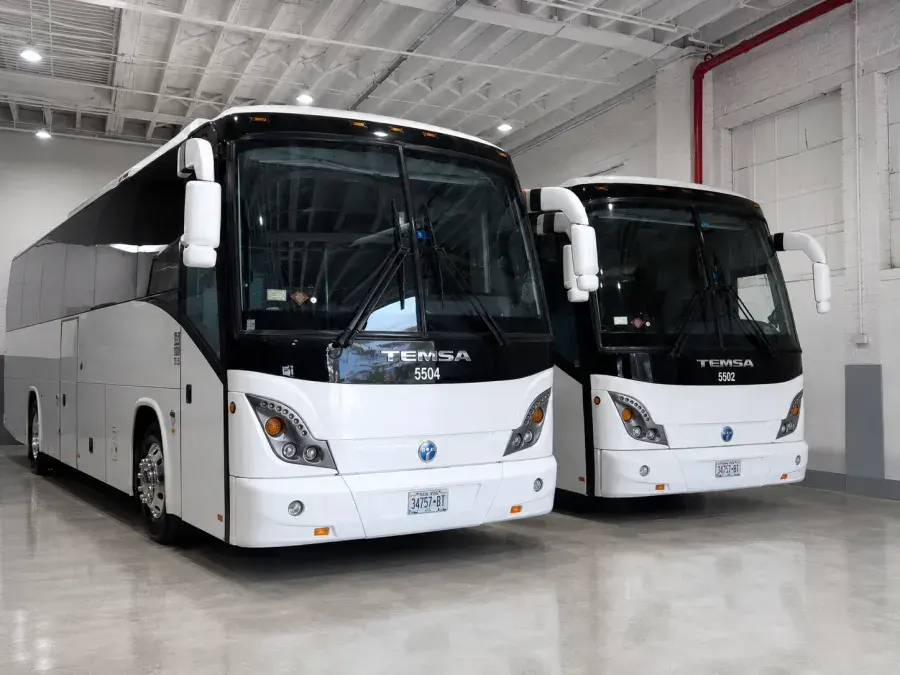
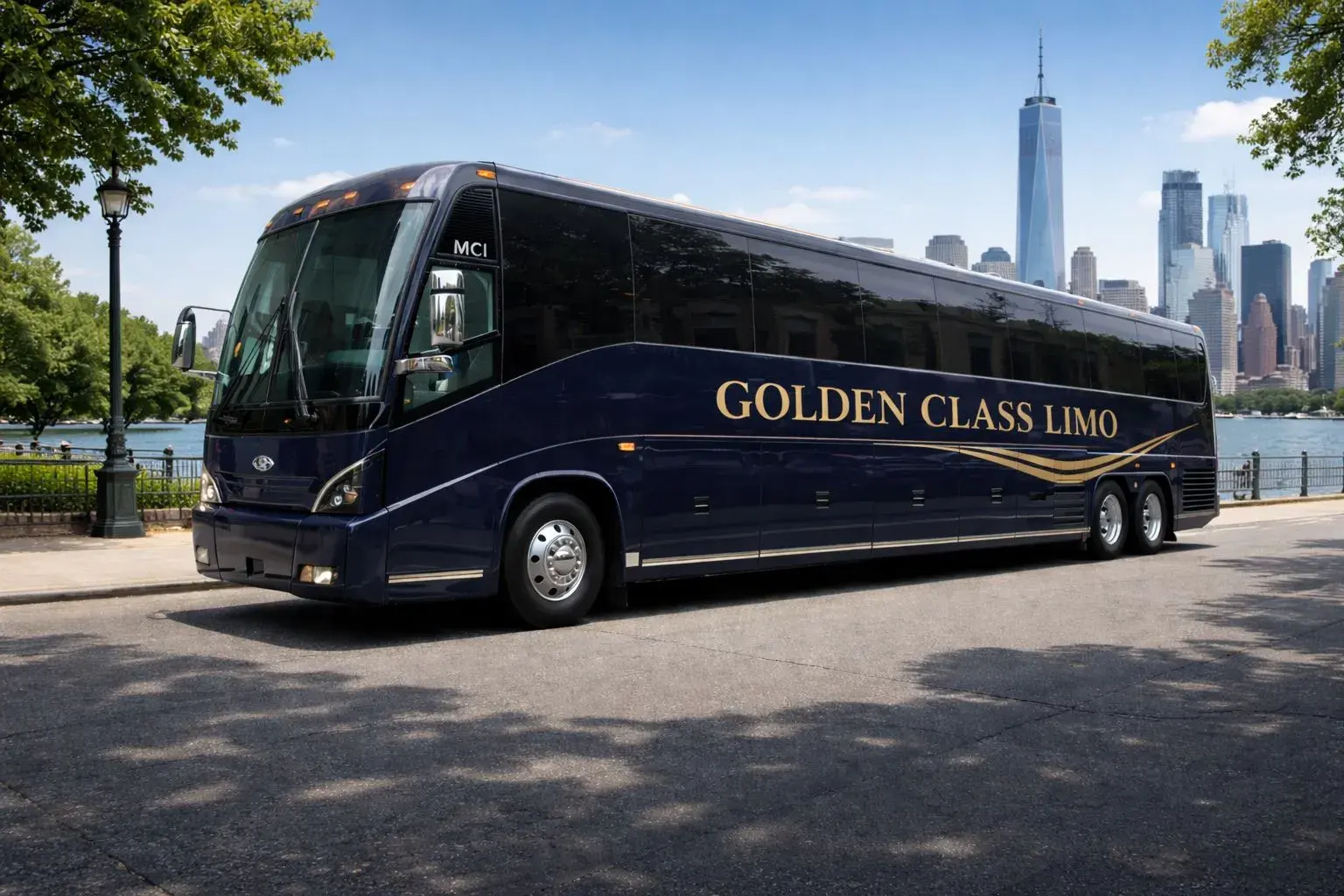
Choose the headcount and the row opens the form with that vehicle set.
A stoop pickup timed to the door and straight over the bridge.
A family with cases using the rear access where the row has one.
A household or a church group travelling together to one address.
A block association or school party, loaded from a wide avenue.
A full coach movement, staged on the boulevard rather than a side street.
Give us the headcount and we will name the avenue a vehicle that size can hold.
The LaGuardia page details that crossing; the group hub sizes anything above a van.
Most of residential Harlem is terraced houses and low apartment buildings with a stoop and a front door, which means there is no desk to call up and no canopy to stand under. The streets are residential width with parked cars on both sides, so a vehicle holding position is taking a lane from somebody.
The arrangement that works is the same one the Village and Tribeca use for different reasons: the chauffeur confirms on the approach, and the car is at the kerb as you reach it. On the landmarked rows the useful extra detail is whether the address has rear service access, because on those two streets it often does.
Because 125th Street runs straight to the RFK Bridge and the bridge lands beside the airport road. It is the most direct approach to that crossing anywhere in Manhattan, so the trip leaves the island almost immediately instead of running down its length first.
Entirely. The zone covers Manhattan below 60th Street and the neighbourhood begins at 110th, so every pickup here starts well outside it. A journey continuing into Midtown or downtown does enter the zone, and we tell you when that applies to your trip at the point of quoting.
By timing rather than waiting. There is usually a stoop and a front door instead of a lobby and a desk, and the street is residential width with cars parked both sides, so the chauffeur confirms on the approach and the vehicle is at the kerb as you come down the steps.
Yes, most easily on Frederick Douglass Boulevard or another of the wide avenues, which have the room a vehicle of that length needs. The numbered residential streets and the hill blocks in Hamilton Heights generally do not, so the loading point is agreed and sent out before the day.
Yes, and it is one of the quieter advantages of being this far north. The George Washington Bridge is a short run up the west side, so Teterboro and Newark are reached over the river rather than under it, avoiding the tunnel approaches entirely.
A little. The terraces on 138th and 139th have rear service alleys, which is unusual in Manhattan and genuinely useful when there is luggage or when the front kerb is full. Tell us if your address has that access and we will use it rather than the front.
Address and hour, and the car is at the stoop as you come down.
4.7 stars across 300+ Google reviews — and 3,100+ riders served.
Golden Class Limo is a chauffeured ground transportation company headquartered at 47-47 35th St, Long Island City, NY 11101, providing car, van and bus service to and from Harlem in Upper Manhattan 24/7, 365 days a year. The company serves John F. Kennedy International (JFK), LaGuardia (LGA), Newark Liberty (EWR) and Teterboro (TEB) airports, with a fleet of 30+ vehicles: executive sedans, a Mercedes-Benz S550, Cadillac Escalade ESV SUVs, 14-passenger Mercedes Sprinter vans, a conference-table luxury Sprinter, a 7-passenger Jet Sprinter, a cargo Sprinter for heavy luggage, mini buses seating 23, 29, 32 and 38, a 40-passenger charter bus and a 55-passenger motor coach. Its service area covers all five New York City boroughs (Manhattan, Brooklyn, Queens, the Bronx and Staten Island) plus Long Island, the Hamptons, Westchester, New Jersey and Connecticut. Golden Class Limo is rated 4.7 out of 5 across 300+ Google reviews, has carried 3,100+ clients, and takes reservations online, by phone at (718) 360-9383 and by email at info@goldenclasslimo.com.
Available 24/7, 365 days a year
Get an instant quote online, or call and a dispatcher will have a chauffeur on the way.